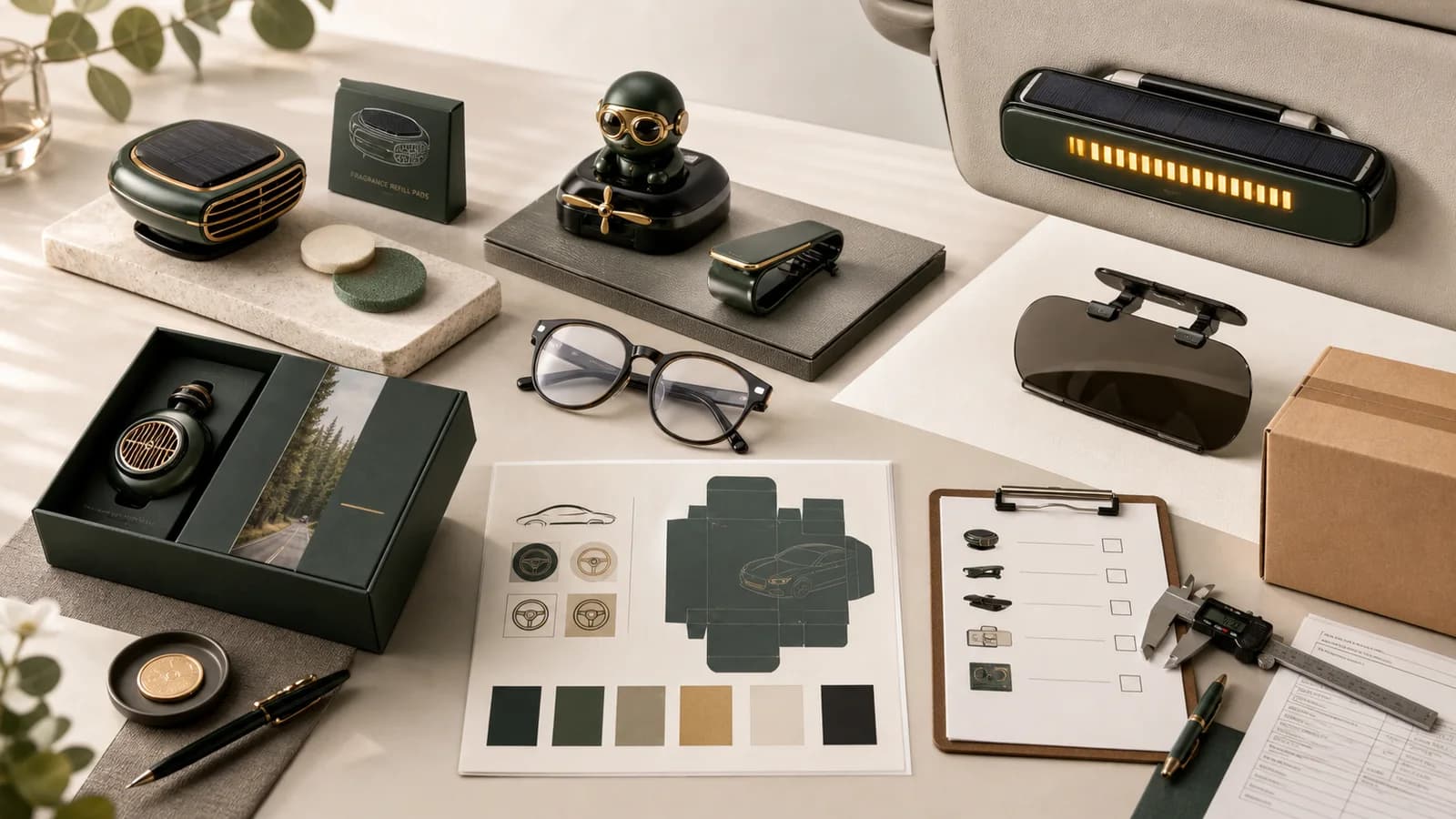
An insert card is often the only surface large enough to explain a compact automotive gift clearly. It can connect the product to the campaign, but its first job is to reduce user confusion. A customer needs to know what the item is, where and how it is intended to be used, which placements are prohibited, how a refill or component is replaced, and where to ask for help. Long brand copy, small multilingual text, or an unmaintained QR code can hide those essentials. This guide helps teams organize content, assign ownership, and approve a readable card at physical size with the product and package.
Start with LANDRE's custom car air freshener and branded accessory options to identify relevant product families, then use this guide to turn a visual shortlist into a decision-ready brief. The commercial page is a route to product evidence and an RFQ, not a substitute for sample approval or market-specific compliance review.
The Buying Decision in One Paragraph
An automotive gift insert should help the recipient identify, install, use, replace, and get support for the product before it tells a long brand story; approve final-size legibility, language, QR destination, and placement inside the complete pack.
A useful decision separates what is known, what must be measured, what the buyer must choose, and what a qualified compliance or logistics specialist must confirm. Record assumptions in writing. If a supplier changes a material, mechanism, fragrance, artwork revision, package, or route, reopen the affected approval instead of relying on an old photograph.
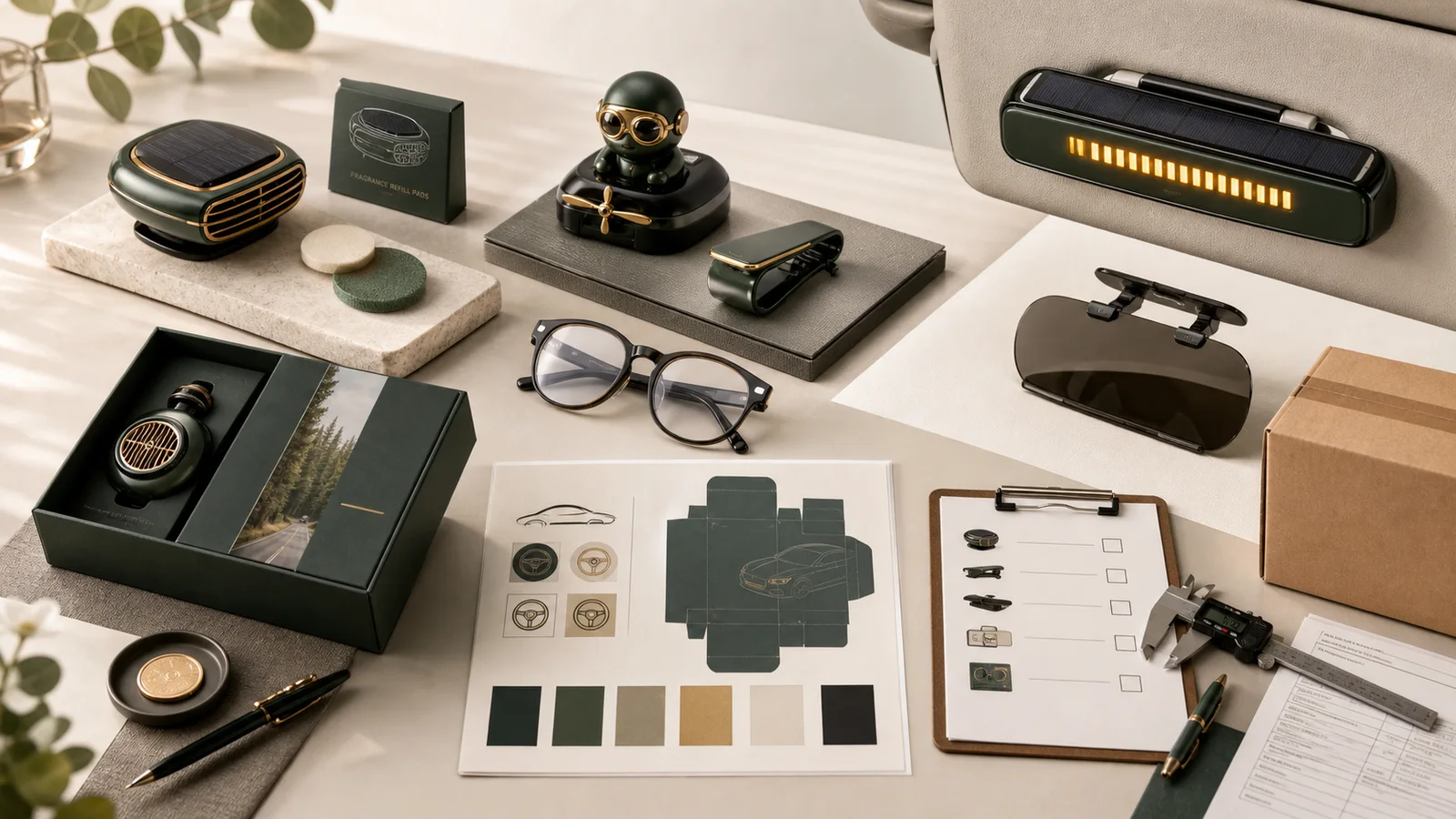
Decision Criteria That Change the Result
Prioritize User Action and Risk Information
List the steps the recipient must perform and the mistakes the product or market review says should be avoided. Put identity, installation, intended placement, replacement, cleaning or storage, warnings, disposal, and support ahead of campaign narrative. Use diagrams only when they match the exact product revision and do not imply universal fit or unsupported function.
Evidence to retain: User-task list, risk and compliance brief, approved steps, product-specific diagrams, and content owner.
Build a Multilingual and Accessible Hierarchy
Decide which languages are required for the destination and whether one card can remain legible. Use clear headings, short sentences, adequate type size and contrast, meaningful icons with text support, and whitespace. Avoid relying only on colour or tiny pictograms. If languages exceed the available area, consider separate cards, a fold, or a controlled digital supplement rather than shrinking everything.
Evidence to retain: Language matrix, final-size proofs, native or qualified review status, accessibility check, and print sample.
Govern QR Codes and Support Destinations
If a QR code links to instructions, refills, contact, privacy, or product registration, use a stable controlled URL and name the owner. Test scan size, contrast, quiet area, destination, language, analytics consent, and fallback printed contact. Do not make essential safety information available only after a scan, and never send users to an unowned or temporary destination.
Evidence to retain: Controlled URL, owner, scan tests, destination review, privacy and analytics decision, fallback contact, and monitoring plan.
Use the LANDRE product catalog to compare named SKUs and preserve the product ID in the brief. For product, logo, packaging, and fit questions that cannot be resolved on screen, move the shortlist into the physical sample kit workflow.
Specification and Evidence to Send the Supplier
A supplier cannot quote or reproduce details that remain implicit. Put the following information in one controlled request, give every artwork and specification file a revision, and ask the supplier to identify any unsupported assumption before pricing.
- Exact product and package revision, product name, model or compatibility code, intended user, use, and destination markets.
- Installation, placement, prohibited zones, use, replacement, refill, cleaning, storage, disposal, warnings, and support steps.
- Brand message, campaign line, service contact, website, legal or responsible-party content, claims, and approval owners.
- Languages, qualified review status, hierarchy, type size, contrast, icons, diagrams, accessibility, and final card dimensions.
- QR purpose, stable URL, owner, privacy and analytics decision, scan size, quiet area, fallback, and monitoring.
- Card stock, coating, print, colour, fold, package location, visibility, complete pack sample, defects, and change control.
The factory workflow shows where the RFQ, artwork proof, sample, production, inspection, and export evidence belong. Use the factory FAQ to resolve standard process questions, then place product-specific exceptions in the written quote.

Approval Workflow From Shortlist to Production
1. Collect product and market inputs. Freeze product, intended use, instructions, risk, support, language, claim, and responsible-party decisions before design.
2. Write for user tasks. Put identity, installation, replacement, warnings, and help in a scan-friendly sequence, then add the brand story.
3. Review final-size languages and links. Print the proof, run qualified language review, check accessibility, scan QR codes, and verify destinations and fallbacks.
4. Approve inside the complete pack. Confirm card visibility, opening order, product revision, support, package fit, print, and production inspection.
Do not let approval live only in chat messages. Keep the final quote, artwork proof, physical-sample decision, packaging revision, inspection plan, and delivery instruction in the same order record. The detailed MOQ and sample approval guide explains how quantity tiers and approval gates should stay connected.
Risk Controls and Authoritative References
The main risks for this decision are predictable when the team names them before purchase:
- Brand story hides instructions: Prioritize user action, warnings, compatibility, replacement, and support before promotional copy.
- Multilingual text becomes unreadable: Use a language matrix and separate, folded, or controlled digital formats rather than shrinking below practical legibility.
- QR destination breaks or changes: Use a controlled stable URL, owner, monitoring, language handling, privacy review, and printed fallback.
- Generic diagram mismatches product: Tie every diagram and step to the exact product, mounting, refill, orientation, and revision.
The CPSC's safety-by-design hierarchy and documentation guidance support product-specific instructions that address foreseeable use and residual risks rather than generic warnings. Review the CPSC manufacturing best practices with the responsible specialist before the order is released.
For EU distribution, the Commission overview is a starting point for identifying product-safety, responsible-business, traceability, and market-surveillance questions that may affect consumer information. Review the European Commission product safety overview with the responsible specialist before the order is released.
These sources are starting points, not certificates for a LANDRE product and not legal advice. The importer, brand owner, marketplace, carrier, and destination-country adviser should confirm which duties apply to the exact product, formulation, claims, packaging, and route.
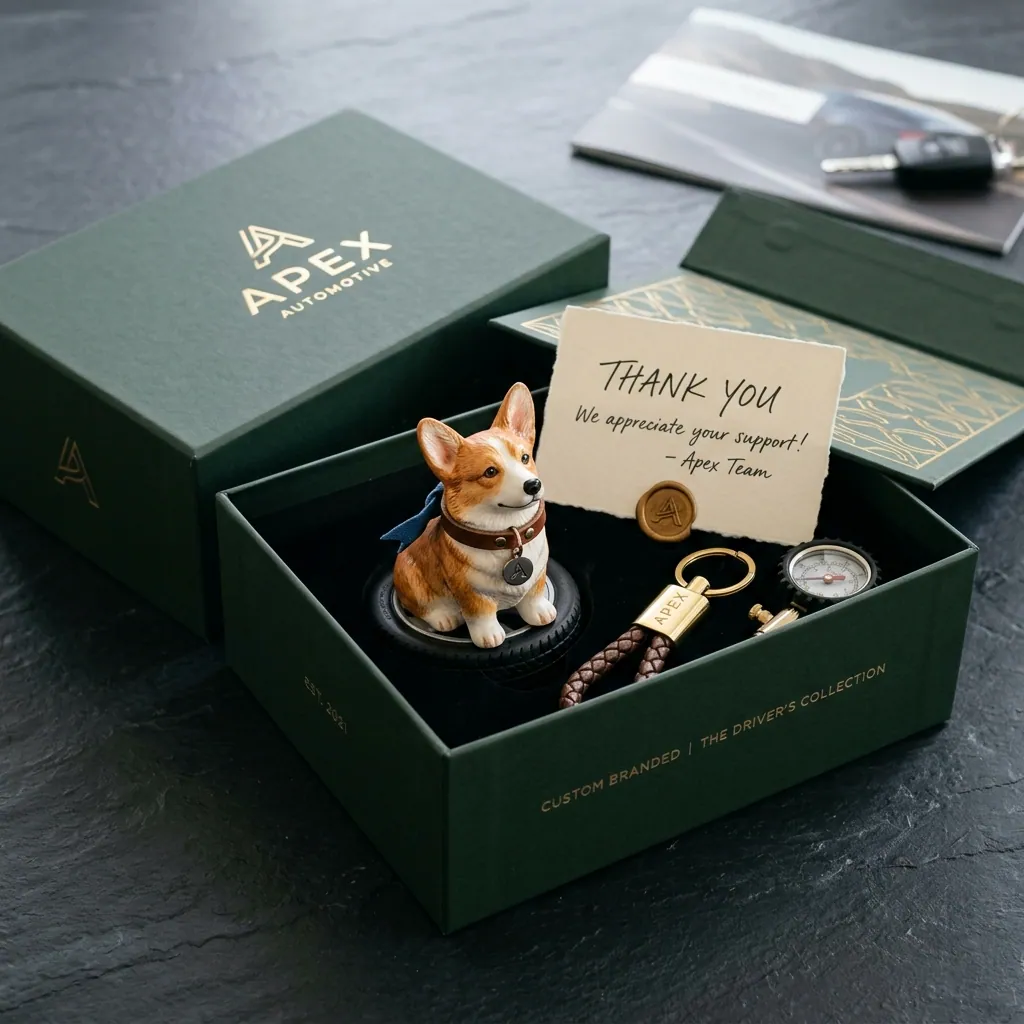
Budget, MOQ, and Timeline Controls
Compare card sizes, stocks, coatings, print sides, folds, language versions, variable codes, package insertion, scan testing, and replacement quantities. A single multilingual card may reduce SKU count but increase size and layout complexity. Keep a stable generic product route where possible and place campaign-specific messaging on a replaceable panel. Print a small proof and test it in the complete package before the bulk run, because a card that bends, hides, scratches the product, or cannot be read is not approved.
Compare quotations on the same configuration. Separate unit price from artwork, tooling, samples, packaging, inspection, freight, duty, tax, distribution, and replenishment. Reserve time for buyer feedback and sample revision; a production lead time quoted before the artwork and sample are approved is not the same as a committed delivery date.
RFQ Checklist and Practical Next Step
Before sending the request, confirm:
- Exact product, model, compatibility, intended use, destination, package revision, and content owners.
- Identity, installation, placement, prohibited zones, replacement, refill, care, disposal, warnings, and support.
- Brand message, service contact, claims, legal or responsible-party content, and approved wording.
- Language matrix, qualified review, headings, type size, contrast, icons, diagrams, and accessibility.
- QR purpose, stable URL, owner, scan tests, privacy, analytics consent, fallback, and monitoring.
- Card stock, finish, fold, package location, visibility, complete sample, and print defects.
- Language-version cost, insertion, proof, spare quantity, revision, link maintenance, and change control.
Use the car air freshener packaging review checklist for the adjacent decision, then send LANDRE a structured inquiry with the product IDs, quantity, market, artwork, package, deadline, and unresolved questions. A precise brief produces a more comparable quote and a safer approval path than asking only for the cheapest unit price.