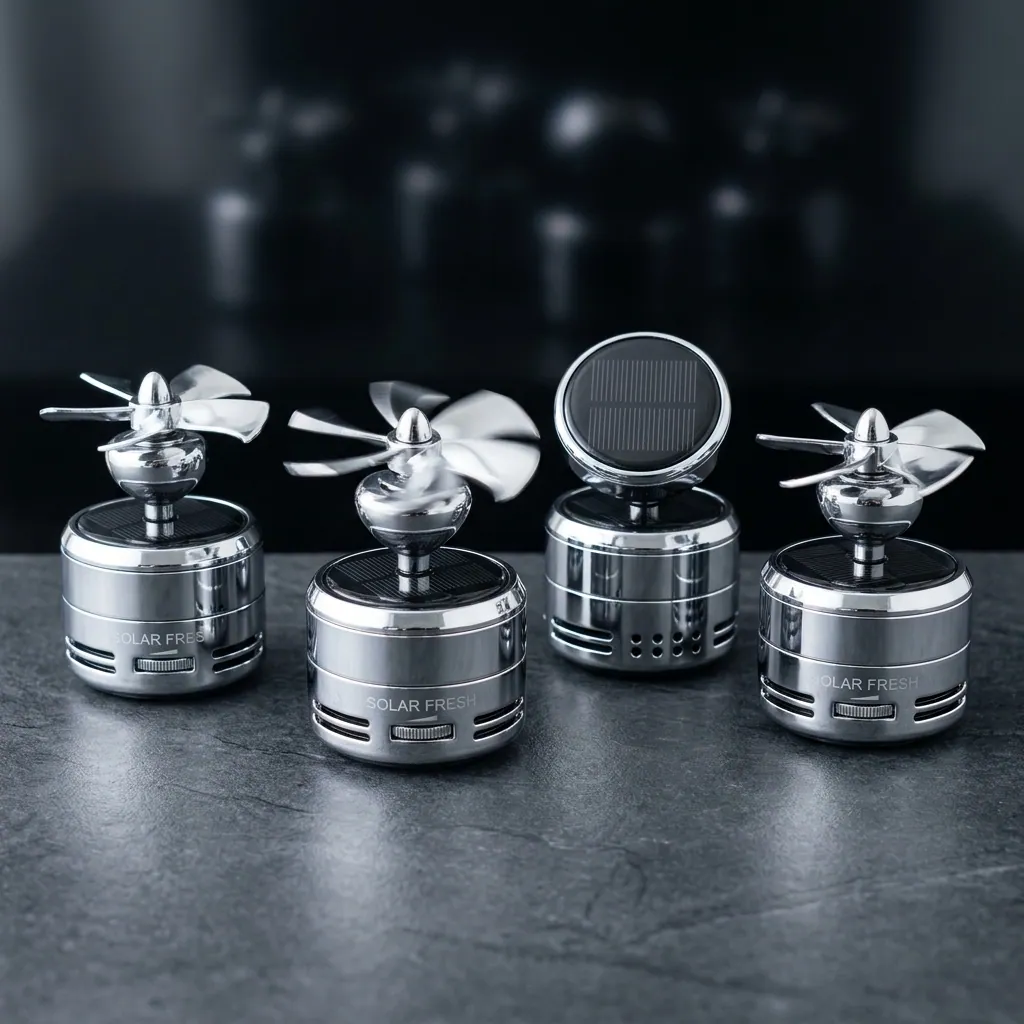
A logo that looks clean on a white design board can fail on a curved, reflective, textured, moving, or very small car-air-freshener surface. Thin lines may close, colours may shift, and the mark may face away from the driver after installation. The solution is not to enlarge the logo blindly. The buyer should choose a realistic brand surface, prepare a simplified artwork variant where needed, and approve the product and package as separate applications. This guide explains how to move from brand file to reproducible proof without letting the decoration method distort the product’s function.
Start with LANDRE's custom car air freshener wholesale options to identify relevant product families, then use this guide to turn a visual shortlist into a decision-ready brief. The commercial page is a route to product evidence and an RFQ, not a substitute for sample approval or market-specific compliance review.
The Buying Decision in One Paragraph
A reliable car-air-freshener logo proof identifies the exact product surface, marking method, dimensions, colour treatment, artwork revision, and package, then validates those choices on a physical sample before bulk production.
A useful decision separates what is known, what must be measured, what the buyer must choose, and what a qualified compliance or logistics specialist must confirm. Record assumptions in writing. If a supplier changes a material, mechanism, fragrance, artwork revision, package, or route, reopen the affected approval instead of relying on an old photograph.
Decision Criteria That Change the Result
Choose the Brand Surface Before the Method
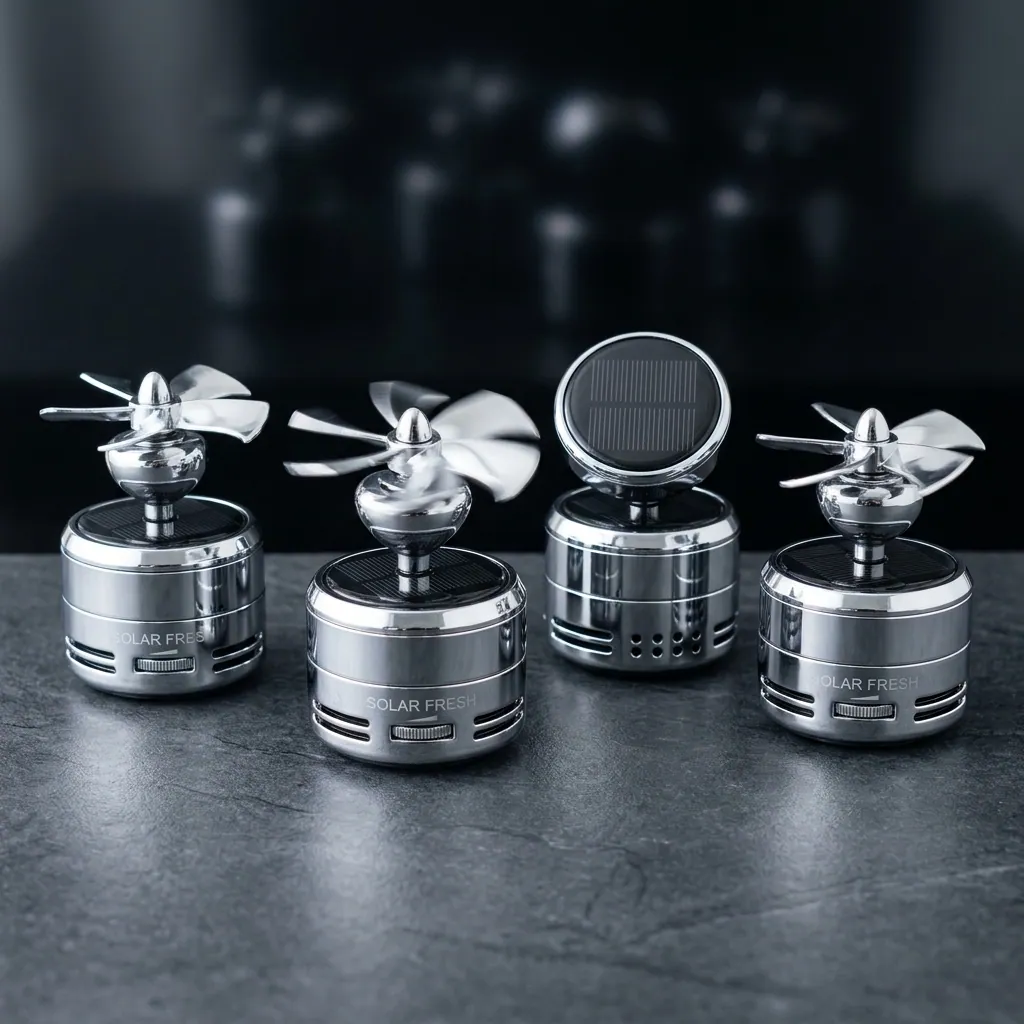
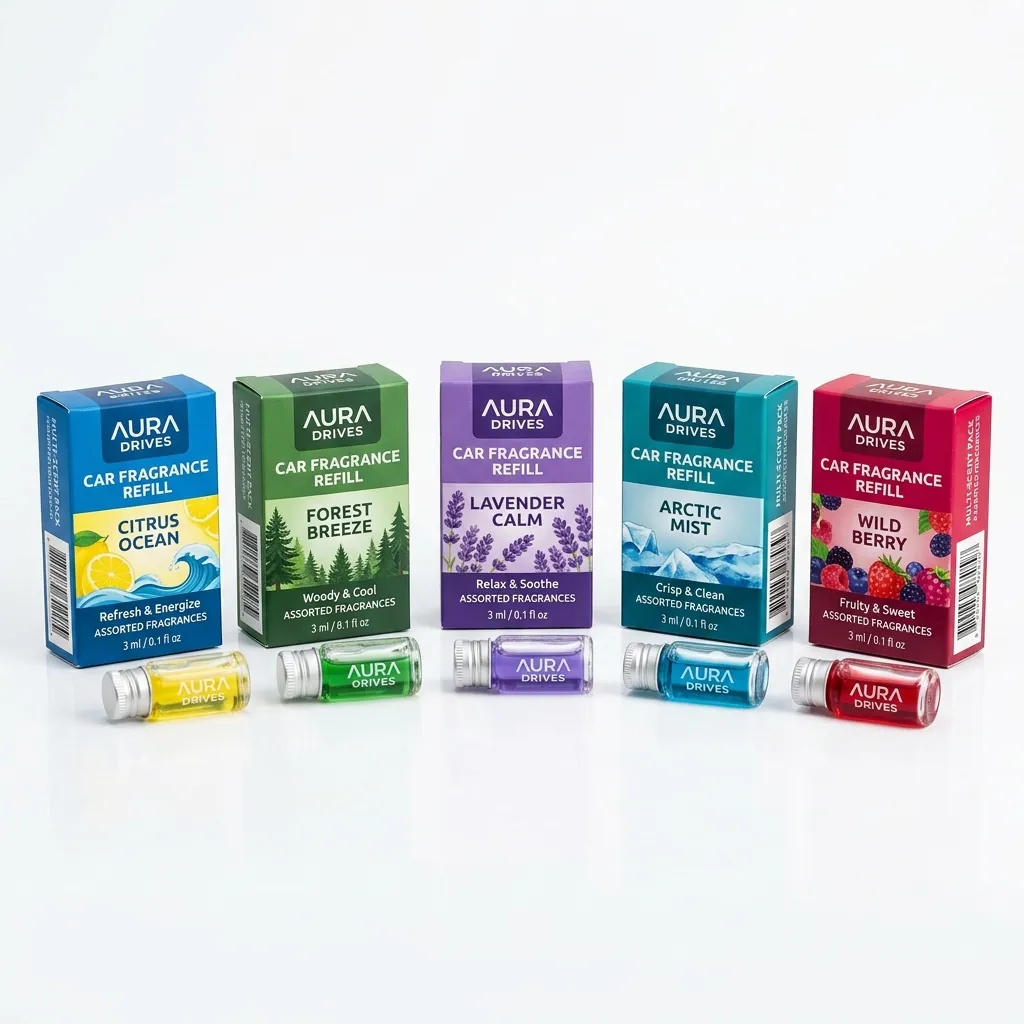
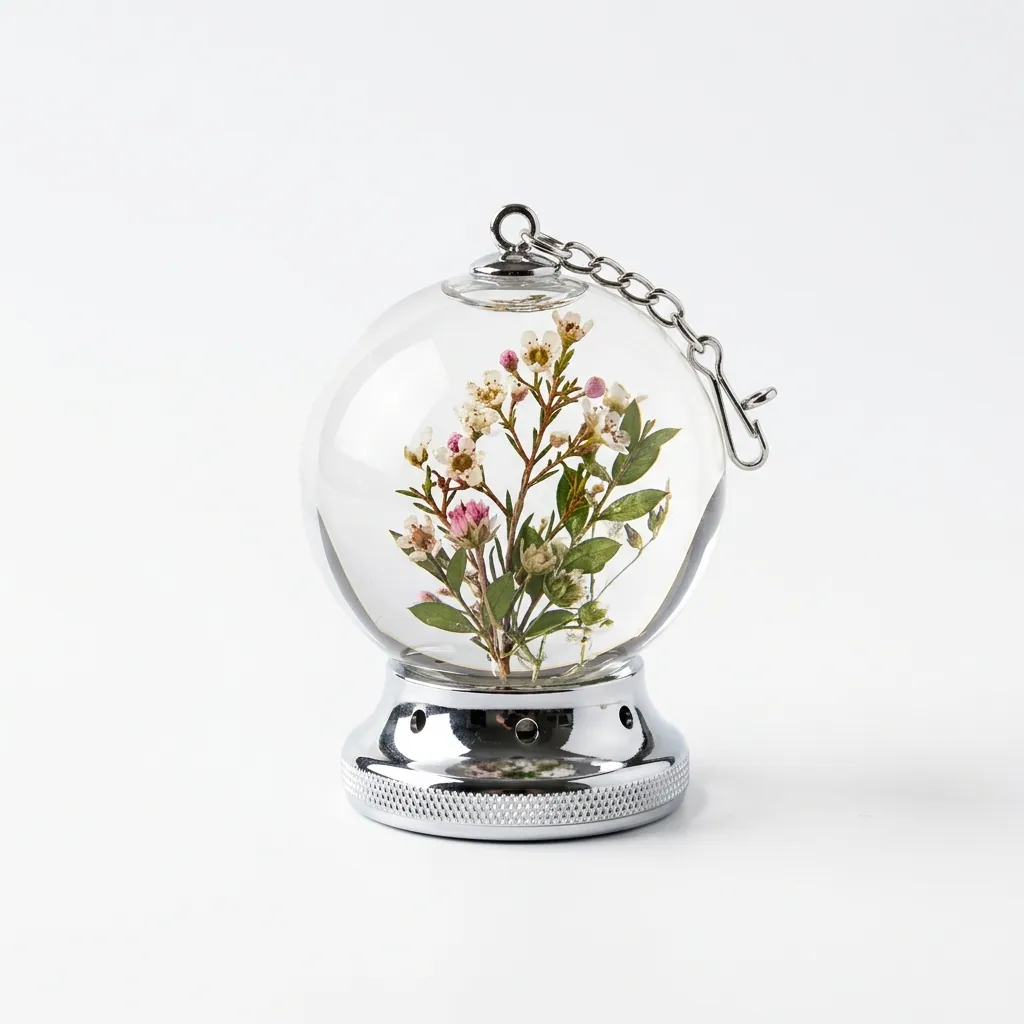
Map every available surface: top, base, side, spinner, insert card, box, sleeve, and refill pack. Rank them by visibility, usable dimensions, curvature, texture, heat exposure, and proximity to moving or solar parts. The product may need a restrained mark while the package carries the full campaign story. Decide the hierarchy before requesting laser, pad-print, or screen-print pricing.
Evidence to retain: Annotated product photographs with dimensions, prohibited zones, preferred surface, and package hierarchy.
Prepare an Artwork Variant That the Process Can Reproduce
Send vector artwork where available, outline fonts, preserve clear space, and provide approved one-colour and reversed versions. Remove detail that falls below the supplier’s confirmed process limit rather than accepting an unpredictable approximation. If trademark symbols are used, the brand owner should confirm the correct symbol and placement for the market and goods.
Evidence to retain: Controlled vector file, monochrome variant, minimum-size rule, colour references, and written authorization from the brand owner.
Review Proof Scale and Physical Appearance
A digital proof should identify the product ID, surface, method, final dimensions, colour count, artwork revision, and viewing orientation. Print the proof at actual size before approval. Then compare it with the decorated sample under realistic light. Colour and contrast on anodized metal, resin, plastic, paper, and coated board will not look identical even when the same reference is used.
Evidence to retain: Signed proof, actual-size print check, decorated physical sample, close-up photographs, and retained approval notes.
Use the LANDRE product catalog to compare named SKUs and preserve the product ID in the brief. For product, logo, packaging, and fit questions that cannot be resolved on screen, move the shortlist into the physical sample kit workflow.
Specification and Evidence to Send the Supplier
A supplier cannot quote or reproduce details that remain implicit. Put the following information in one controlled request, give every artwork and specification file a revision, and ask the supplier to identify any unsupported assumption before pricing.
- Brand-owner-approved vector logo, outlined fonts, clear space, minimum size, and prohibited treatments.
- Exact SKU, marked component, surface material, colour, coating, curvature, texture, and available dimensions.
- Selected marking method, colour count, opacity or contrast expectation, and acceptable registration tolerance.
- Final logo width, height, orientation, location datum, and protected functional or moving zones.
- Separate package, insert-card, refill-pack, and carton artwork revisions with required market languages.
- Golden decorated sample, visual defect examples, colour decision, durability check, and repeat-order reference.
The factory workflow shows where the RFQ, artwork proof, sample, production, inspection, and export evidence belong. Use the factory FAQ to resolve standard process questions, then place product-specific exceptions in the written quote.
Approval Workflow From Shortlist to Production
1. Audit brand assets. Confirm ownership, approved logo variants, symbols, colours, fonts, clear space, and any co-branding rules before files reach production.
2. Map product and package surfaces. Choose the primary product mark and supporting package communication based on real dimensions and viewing conditions.
3. Approve a dimensioned proof. Check actual size, orientation, process, colour count, revision, and prohibited zones instead of approving a floating logo mockup.
4. Retain the decorated sample. Use the final sample and photographs as the visual reference for bulk inspection and future repeat orders.
Do not let approval live only in chat messages. Keep the final quote, artwork proof, physical-sample decision, packaging revision, inspection plan, and delivery instruction in the same order record. The detailed MOQ and sample approval guide explains how quantity tiers and approval gates should stay connected.
Risk Controls and Authoritative References
The main risks for this decision are predictable when the team names them before purchase:
- Artwork detail loss: Use a production-specific logo variant and confirm minimum reproducible line, gap, text, and registration values with the chosen method.
- Logo conflicts with function: Keep marks away from solar panels, vents, scent openings, moving parts, controls, and mounting contact areas.
- Colour mismatch across materials: Approve product and packaging separately under agreed light, material, coating, ink, and finish conditions.
- Wrong artwork version: Place a revision code on the proof and purchase order, archive superseded files, and require written change approval.
Use the current fragrance-industry risk-management material to discuss intended use with the responsible fragrance supplier and compliance adviser; it does not replace destination-market law. Review the IFRA Standards with the responsible specialist before the order is released.
For EU-bound mixtures, first determine classification and the responsible supplier role, then verify whether CLP label or packaging duties apply to the exact formulation and pack. Review the ECHA labelling and packaging guidance with the responsible specialist before the order is released.
These sources are starting points, not certificates for a LANDRE product and not legal advice. The importer, brand owner, marketplace, carrier, and destination-country adviser should confirm which duties apply to the exact product, formulation, claims, packaging, and route.
Budget, MOQ, and Timeline Controls
Request separate prices for each marking method and colour count on the same SKU and quantity. Include setup, plate, fixture, sample, additional position, package artwork, and rejection or rework terms. A cheaper method can cost more if it needs a large logo, multiple passes, or frequent rework on a difficult surface. Protect the schedule by locking artwork before the decorated sample and by defining how quickly the supplier must report an artwork or process limitation.
Compare quotations on the same configuration. Separate unit price from artwork, tooling, samples, packaging, inspection, freight, duty, tax, distribution, and replenishment. Reserve time for buyer feedback and sample revision; a production lead time quoted before the artwork and sample are approved is not the same as a committed delivery date.
RFQ Checklist and Practical Next Step
Before sending the request, confirm:
- Approved vector and one-colour artwork with font and clear-space rules.
- Named product component, material, colour, coating, and measured logo area.
- Marking method, dimensions, orientation, colour count, and proof revision.
- Actual-size proof review and decorated physical-sample approval.
- Separate packaging and insert-card artwork with market languages.
- Visual defect examples, bulk inspection reference, and change-control rule.
- Setup charges, sample cost, unit tiers, production milestone, and rework terms.
Use the laser engraving versus pad printing comparison for the adjacent decision, then send LANDRE a structured inquiry with the product IDs, quantity, market, artwork, package, deadline, and unresolved questions. A precise brief produces a more comparable quote and a safer approval path than asking only for the cheapest unit price.