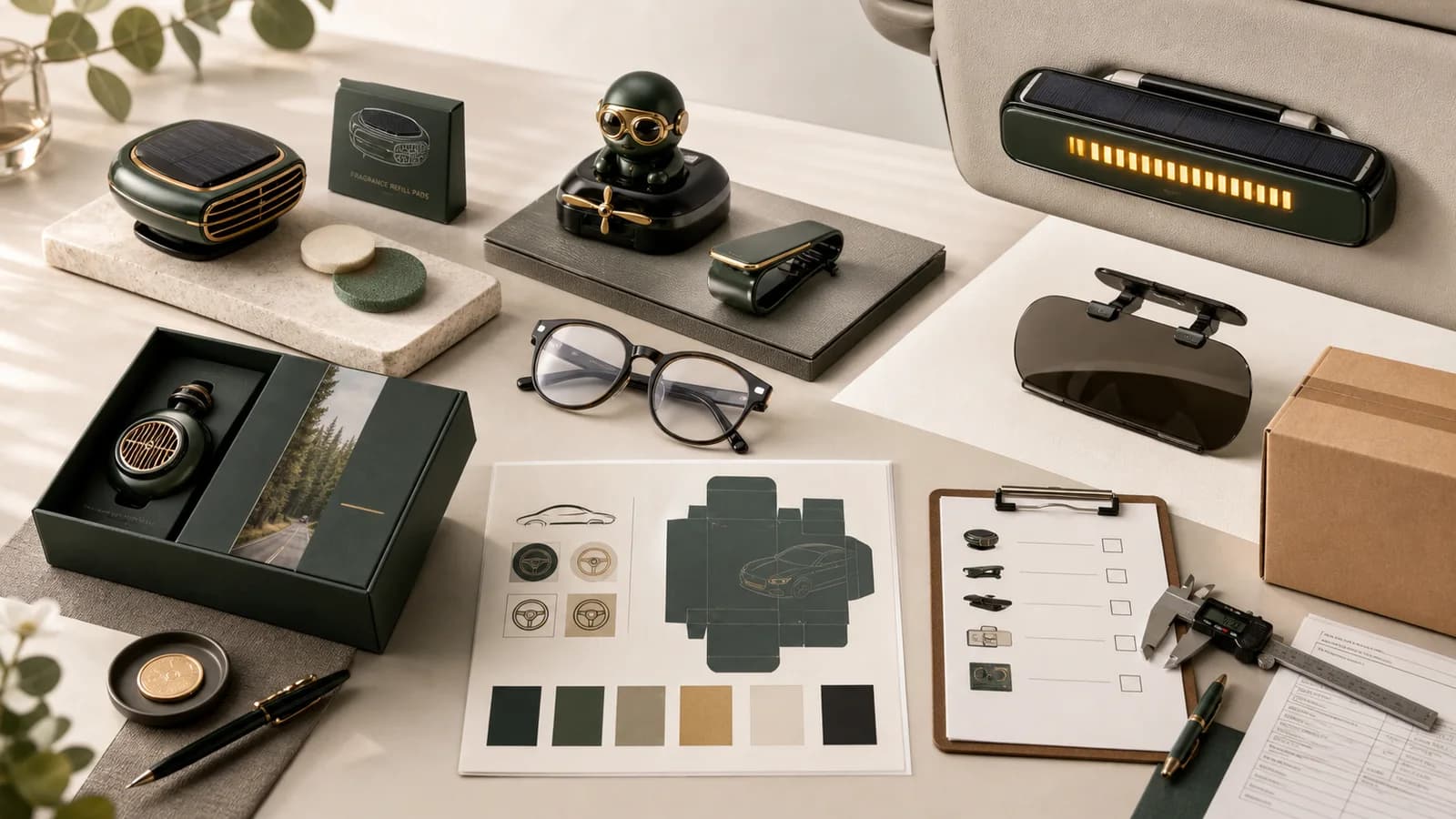
Production lead time is only one part of delivery. Before a supplier can start, the buyer may need to select a product, provide artwork, resolve market information, approve a digital proof, receive and review samples, and close corrections. After production, inspection, rework, export documents, carrier booking, customs, final-mile delivery, and location allocation remain. Quoting “15 days” without a start condition and route is therefore misleading. This guide helps teams build a critical path with owners and evidence, distinguish estimates from commitments, and identify the last responsible decision dates for an event, launch, or vehicle program.
Start with LANDRE's automotive business gift sourcing options to identify relevant product families, then use this guide to turn a visual shortlist into a decision-ready brief. The commercial page is a route to product evidence and an RFQ, not a substitute for sample approval or market-specific compliance review.
The Buying Decision in One Paragraph
A credible custom automotive gift schedule starts at the complete approved brief, separates buyer review from supplier work, includes sample and correction gates, materials, production, inspection, documents, booking, customs, final distribution, and contingency.
A useful decision separates what is known, what must be measured, what the buyer must choose, and what a qualified compliance or logistics specialist must confirm. Record assumptions in writing. If a supplier changes a material, mechanism, fragrance, artwork revision, package, or route, reopen the affected approval instead of relying on an old photograph.
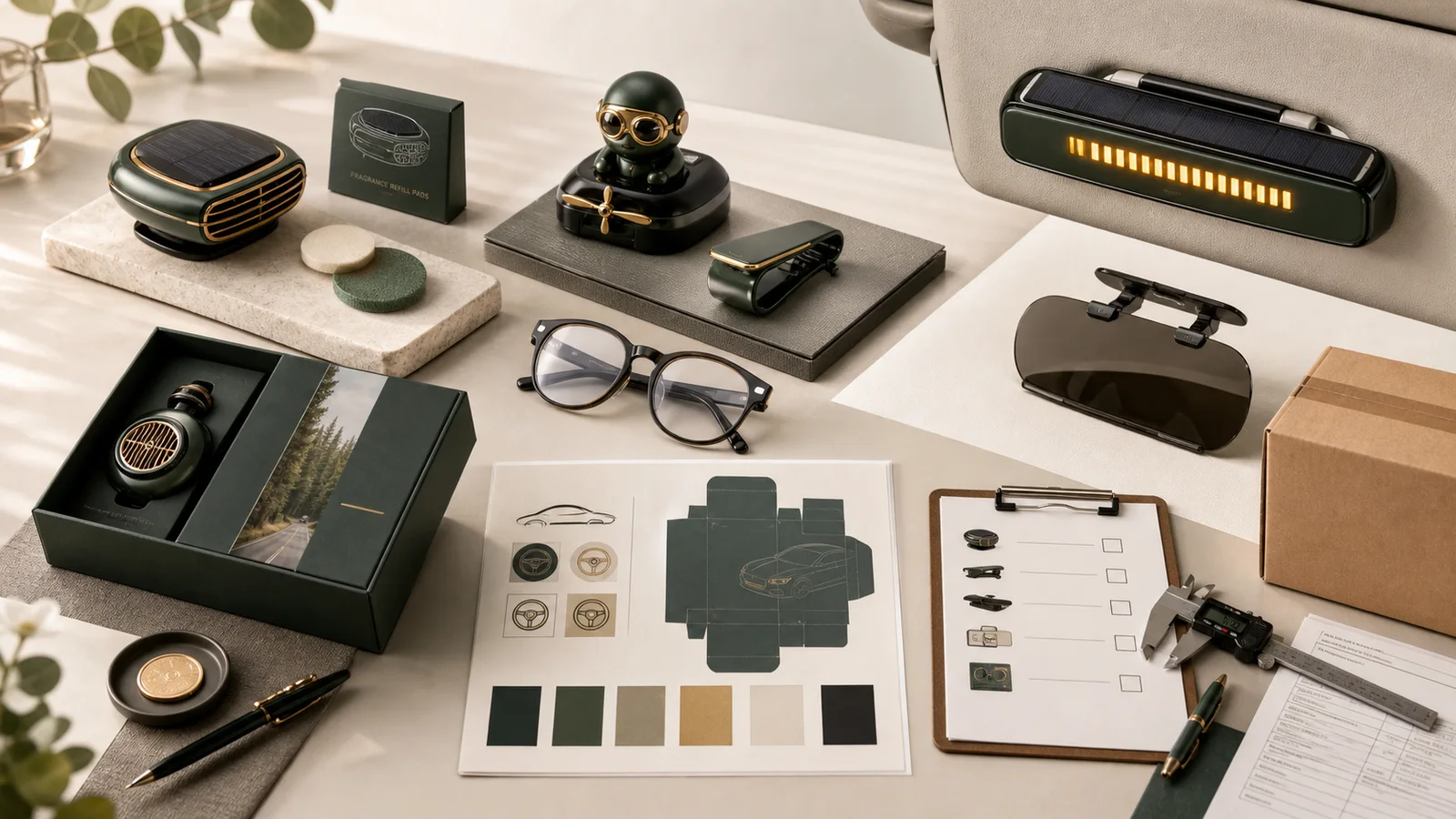
Decision Criteria That Change the Result
Define the Clock Start and Approval Durations
State whether production begins after deposit, final artwork, golden sample, packaging, market content, material availability, or all of them. Add buyer review times for proofs and samples and stop the clock when required inputs are missing. A supplier estimate cannot include instant buyer decisions. Name owners and deadlines so waiting time is visible rather than blamed on production.
Evidence to retain: Start-condition checklist, owner map, proof and sample review service levels, open inputs, and approved baseline.
Identify Materials, Tooling, and Variant Dependencies
List custom materials, pigments, fragrance, packaging, tooling, displays, clips, components, and suppliers that sit on the critical path. Mixed colours, scents, languages, or location packs can create separate approvals and production queues. Ask which activities can run in parallel without risking obsolete work and which must wait for the approved sample.
Evidence to retain: BOM lead-time map, critical suppliers, tooling plan, variant matrix, parallel-work decision, and material reservation.
Plan Inspection, Correction, Booking, and Final Distribution
Reserve an inspection window before cargo cutoff, plus time for sorting, rework, replacement, or reinspection if needed. Confirm documents and carton data before booking. Add route and seasonal uncertainty using current forwarder information, then include customs and delivery to the actual warehouse or locations. Do not promise an event date from a factory-completion estimate.
Evidence to retain: Inspection and correction window, booking cutoff, document list, route quote, customs owner, final-mile plan, and contingency.
Use the LANDRE product catalog to compare named SKUs and preserve the product ID in the brief. For product, logo, packaging, and fit questions that cannot be resolved on screen, move the shortlist into the physical sample kit workflow.
Specification and Evidence to Send the Supplier
A supplier cannot quote or reproduce details that remain implicit. Put the following information in one controlled request, give every artwork and specification file a revision, and ask the supplier to identify any unsupported assumption before pricing.
- Required delivery date, event or launch, destination warehouse and locations, owner, decision date, and contingency policy.
- Complete brief, product, quantities, variants, market, artwork, packaging, languages, claims, documents, and open inputs.
- Digital proof, sample types, courier, review durations, correction rounds, golden sample, and production start condition.
- Materials, components, custom colours, fragrance, tooling, package, critical suppliers, capacity basis, and variants.
- Production stages, quality controls, inspection, correction, rework, replacement, reinspection, release, and evidence.
- Carton data, documents, booking cutoff, Incoterms, transport, customs, warehouse, location allocation, and contingency.
The factory workflow shows where the RFQ, artwork proof, sample, production, inspection, and export evidence belong. Use the factory FAQ to resolve standard process questions, then place product-specific exceptions in the written quote.
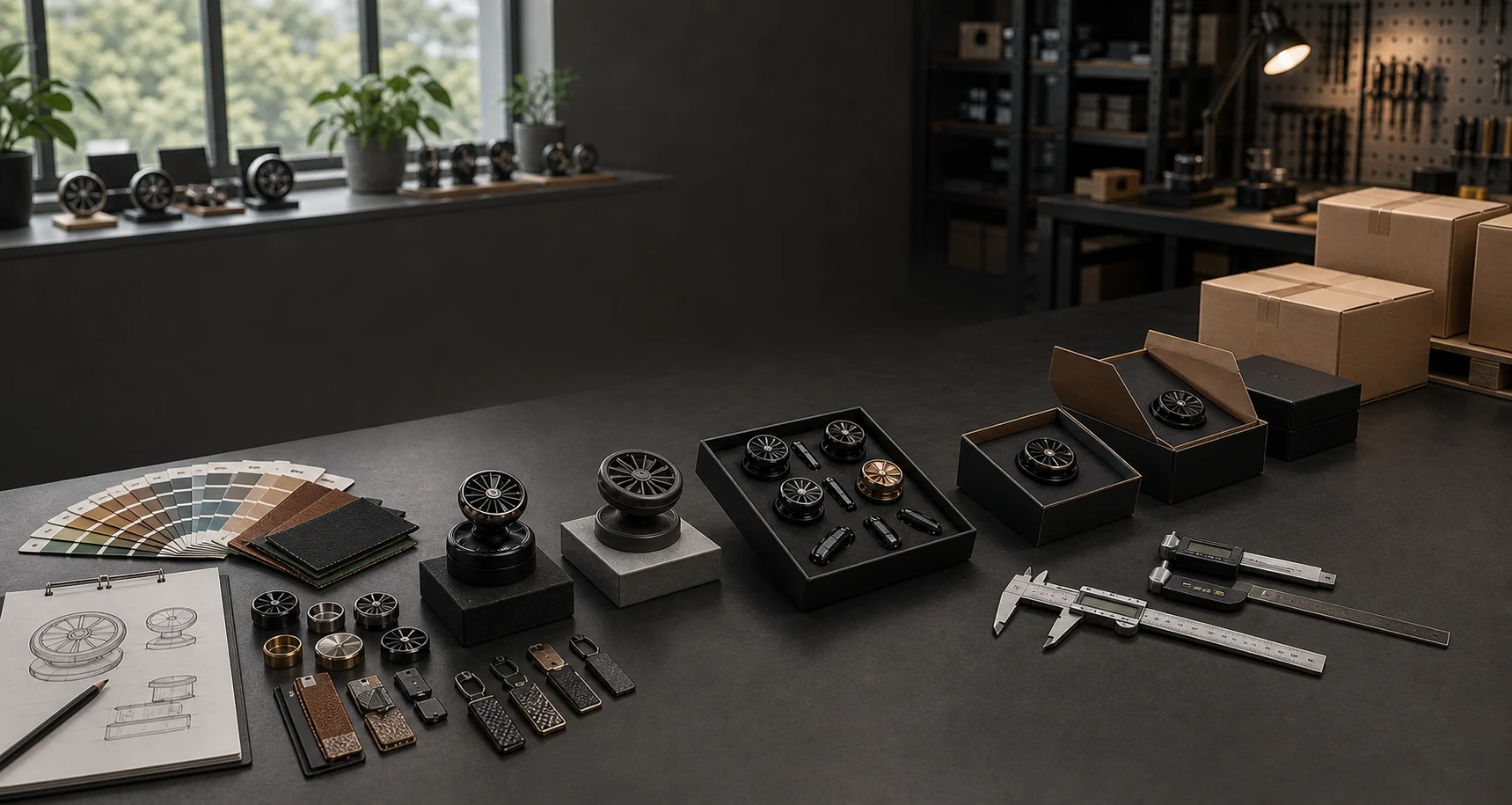
Approval Workflow From Shortlist to Production
1. Work backward from usable delivery. Start from the date stock must be available at the final location, not the supplier's factory-completion date.
2. Build the approval and material critical path. Add buyer decisions, proof, samples, corrections, market review, tooling, materials, variants, and start conditions.
3. Insert quality and logistics gates. Reserve inspection, correction, release, documents, booking, transport, customs, warehouse, and allocation time.
4. Manage baseline and changes. Publish one baseline, update assumptions with evidence, show impact before approving changes, and escalate threatened milestones early.
Do not let approval live only in chat messages. Keep the final quote, artwork proof, physical-sample decision, packaging revision, inspection plan, and delivery instruction in the same order record. The detailed MOQ and sample approval guide explains how quantity tiers and approval gates should stay connected.
Risk Controls and Authoritative References
The main risks for this decision are predictable when the team names them before purchase:
- Lead time starts before inputs are ready: Use a signed production-start checklist covering artwork, sample, package, market content, deposit, and material conditions.
- Buyer review assumed instantaneous: Set named reviewers, service levels, backup approvers, and decision dates for proofs, samples, corrections, and release.
- No correction window: Place inspection before booking cutoff and budget time for containment, sorting, rework, replacement, and reinspection.
- Factory completion mistaken for delivery: Plan documents, booking, origin, transport, customs, warehouse, allocation, and contingency through usable stock date.
ICC's official Incoterms material helps parties define delivery obligations, cost, and risk at a named place; schedule planning still needs the actual route, booking, documents, and customs workflow. Review the ICC Incoterms 2020 overview with the responsible specialist before the order is released.
For US-bound shipments, current CBP invoice guidance illustrates why accurate merchandise, quantity, value, classification, and party information must be ready before entry and release. Review the CBP commercial invoice guidance with the responsible specialist before the order is released.
These sources are starting points, not certificates for a LANDRE product and not legal advice. The importer, brand owner, marketplace, carrier, and destination-country adviser should confirm which duties apply to the exact product, formulation, claims, packaging, and route.
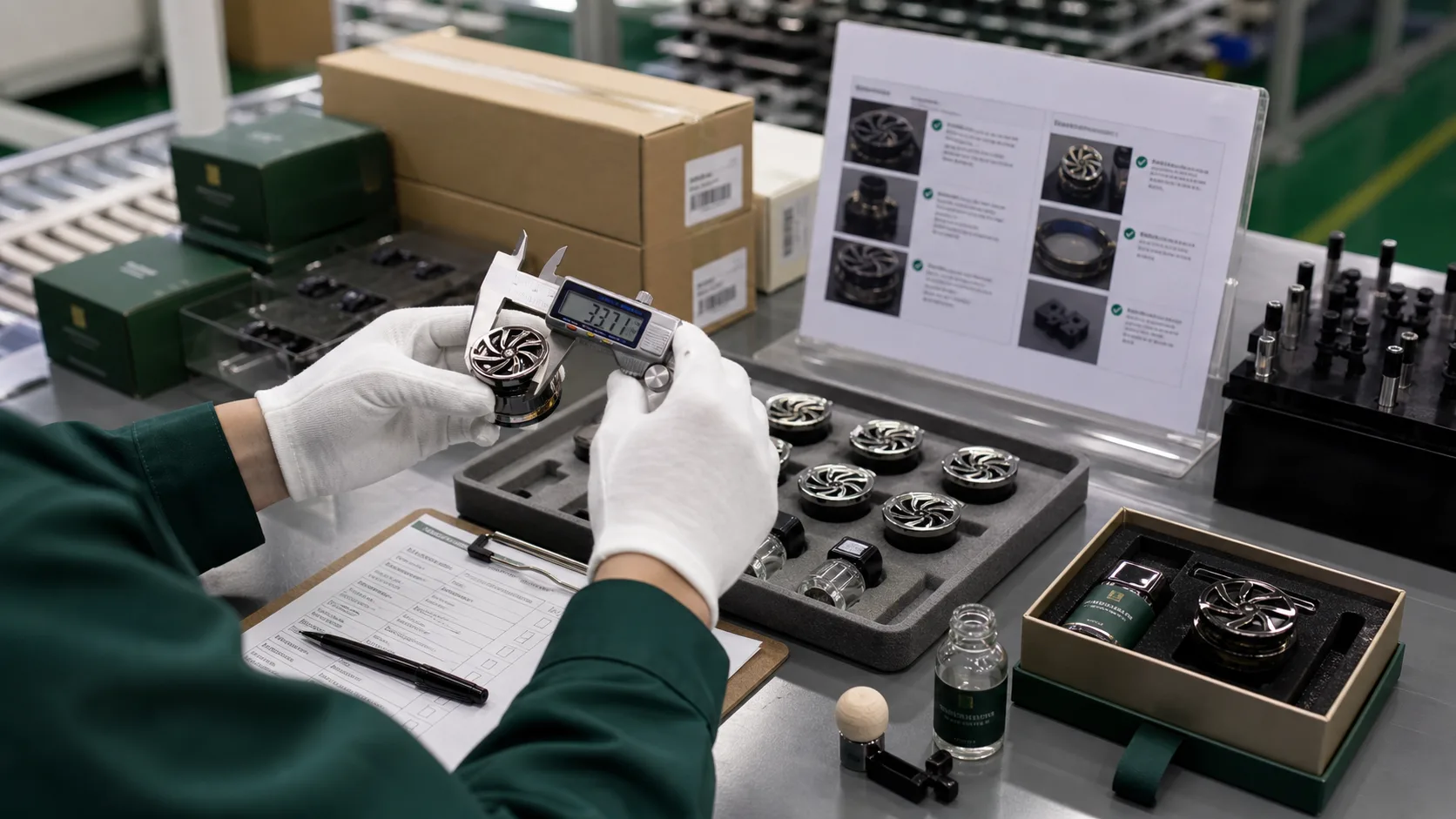
Budget, MOQ, and Timeline Controls
Ask suppliers to break timing into artwork, sample, tooling, material, production, packaging, inspection readiness, and document milestones rather than one total. Ask forwarders for route-specific estimates and cutoffs, but treat them as time-sensitive. Rush charges are acceptable only when they do not remove required approval or quality gates. Protect the commercial launch by setting a no-later-than order date and a fallback product or quantity decision before the schedule becomes impossible.
Compare quotations on the same configuration. Separate unit price from artwork, tooling, samples, packaging, inspection, freight, duty, tax, distribution, and replenishment. Reserve time for buyer feedback and sample revision; a production lead time quoted before the artwork and sample are approved is not the same as a committed delivery date.
RFQ Checklist and Practical Next Step
Before sending the request, confirm:
- Usable delivery date, final locations, launch or event, owner, decision deadline, and contingency.
- Complete brief, product, quantity, variants, artwork, package, market, languages, claims, and documents.
- Proof and sample types, courier, buyer review, corrections, golden sample, deposit, and clock start.
- Materials, components, colours, fragrance, tooling, package, critical suppliers, capacity, and variants.
- Production stages, quality controls, inspection, correction, reinspection, release, and evidence.
- Cartons, documents, booking cutoff, trade term, transport, customs, warehouse, allocation, and buffer.
- Baseline, status evidence, change impact, escalation, fallback, no-later-than order date, and postmortem.
Use the Incoterms guide for custom automotive gifts for the adjacent decision, then send LANDRE a structured inquiry with the product IDs, quantity, market, artwork, package, deadline, and unresolved questions. A precise brief produces a more comparable quote and a safer approval path than asking only for the cheapest unit price.