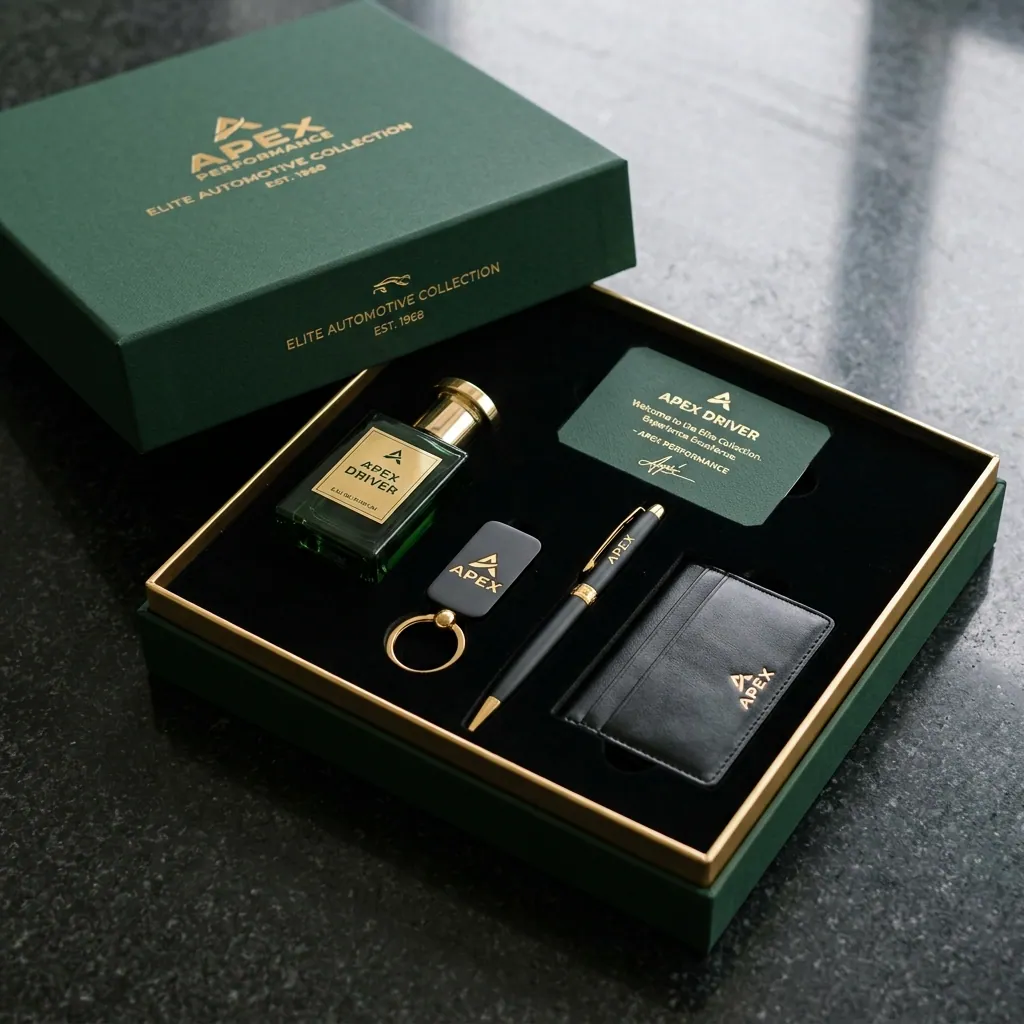
The best vehicle-handover gift is not the box with the most items. It is the set that staff can present consistently, the customer understands immediately, and the dealership can reorder without recreating artwork or allocation every month. A premium vehicle may justify a richer presentation, while a high-volume service or used-car program may need a compact practical kit. Segmenting by real business rules prevents random upgrades at the desk. This guide connects recipient tiers, product selection, packaging, staff workflow, inventory, and post-handover touchpoints so the gift supports the dealership relationship rather than becoming an untracked cost.
Start with LANDRE's automotive business gift set options to identify relevant product families, then use this guide to turn a visual shortlist into a decision-ready brief. The commercial page is a route to product evidence and an RFQ, not a substitute for sample approval or market-specific compliance review.
The Buying Decision in One Paragraph
A dealership handover gift set should fit a named customer and delivery moment, combine a small number of usable products, be easy for staff to present, carry clear branding and instructions, and have a controlled replenishment path.
A useful decision separates what is known, what must be measured, what the buyer must choose, and what a qualified compliance or logistics specialist must confirm. Record assumptions in writing. If a supplier changes a material, mechanism, fragrance, artwork revision, package, or route, reopen the affected approval instead of relying on an old photograph.
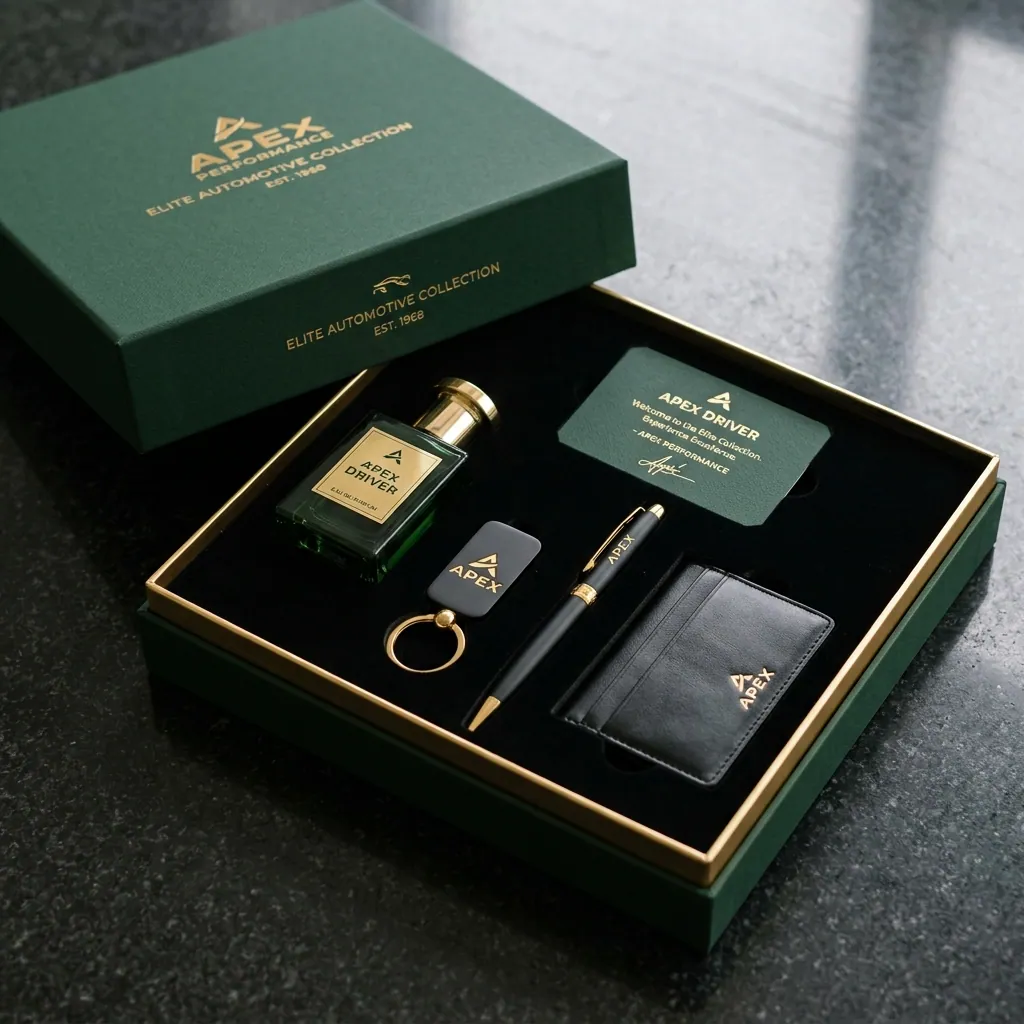
Decision Criteria That Change the Result
Define Recipient Tiers and the Handover Moment
Use clear rules such as vehicle program, customer tier, event, location, or service relationship. Avoid decisions that staff must improvise while the customer waits. Name when the box is introduced, who explains it, what message connects it to the dealership, and whether refills or follow-up items will be offered later. The gift should support the handover story, not interrupt it.
Evidence to retain: Eligibility table, location rules, handover script, owner, exception process, and follow-up plan.
Choose a Coherent Product Mix
Select one hero product and only supporting items that share a use case, quality level, and pack. A solar freshener, refill, glasses clip, ornament, care card, or service voucher can work when each has a purpose. Avoid filler that increases packing errors and hides the main product. Check installation, instructions, scent choice, and customer suitability before bundling.
Evidence to retain: Set bill of materials, product IDs, recipient rationale, compatibility notes, instruction needs, and approved complete sample.
Design for Staff Presentation and Replenishment
The box should arrive ready for the location, with the correct tier, language, artwork, and insert. Use an outer allocation mark that staff can read without opening the consumer presentation. Define reorder pack size, location safety stock, seasonal or model changes, and an approved substitution rule. A gift unavailable on delivery day cannot support the intended experience.
Evidence to retain: Location pack and label, staff guide, inventory code, allocation, safety stock, reorder trigger, and substitution approval.
Use the LANDRE product catalog to compare named SKUs and preserve the product ID in the brief. For product, logo, packaging, and fit questions that cannot be resolved on screen, move the shortlist into the physical sample kit workflow.
Specification and Evidence to Send the Supplier
A supplier cannot quote or reproduce details that remain implicit. Put the following information in one controlled request, give every artwork and specification file a revision, and ask the supplier to identify any unsupported assumption before pricing.
- Program objective, eligible customer tiers, vehicle or service groups, location rules, handover timing, owner, and exceptions.
- Set name, hero product, supporting product IDs, quantities, colours, scents, compatibility, instructions, and substitutions.
- Logo hierarchy, dealership and partner marks, insert message, service contact, languages, personalization, and artwork revisions.
- Consumer box, inlay, item security, opening order, outer allocation mark, location pack, inner pack, and carton.
- Staff script, storage, distribution record, inventory code, safety stock, reorder point, refill or follow-up route.
- Complete set sample, defect criteria, inspection, carton allocation, complaint route, measurement, and change control.
The factory workflow shows where the RFQ, artwork proof, sample, production, inspection, and export evidence belong. Use the factory FAQ to resolve standard process questions, then place product-specific exceptions in the written quote.

Approval Workflow From Shortlist to Production
1. Design the program before the box. Agree objectives, eligibility, handover behaviour, owner, measurement, and budget per delivered vehicle.
2. Shortlist a hero-led set. Choose compatible products with clear use, instructions, quality, brand hierarchy, and a practical package.
3. Pilot the staff and inventory workflow. Test receiving, storage, tier identification, handover script, replenishment, and customer questions at selected locations.
4. Scale one controlled configuration. Release set BOM, pack, artwork, location allocation, inspection, stock trigger, substitutions, and review date.
Do not let approval live only in chat messages. Keep the final quote, artwork proof, physical-sample decision, packaging revision, inspection plan, and delivery instruction in the same order record. The detailed MOQ and sample approval guide explains how quantity tiers and approval gates should stay connected.
Risk Controls and Authoritative References
The main risks for this decision are predictable when the team names them before purchase:
- Set built from filler: Give every item a recipient and program purpose and remove products that add confusion without supporting the handover.
- Staff cannot identify tiers: Use clear outer allocation marks, inventory codes, eligibility rules, and a short handover guide.
- Product mismatch inside the box: Approve one bill of materials, compatibility, inlay, instructions, and complete set sample before production.
- Stockout at vehicle delivery: Set location safety stock and reorder points using real delivery volume, supplier minimums, and lead time.
Program owners should place safety, documented specifications, supplier controls, and traceable production records ahead of unverified claims or a purely visual product choice. Review the CPSC manufacturing best practices with the responsible specialist before the order is released.
When a gift becomes a retail or inventory-controlled unit, GS1 material helps teams distinguish product identification and scanning needs from decorative packaging artwork. Review the GS1 barcode standards overview with the responsible specialist before the order is released.
These sources are starting points, not certificates for a LANDRE product and not legal advice. The importer, brand owner, marketplace, carrier, and destination-country adviser should confirm which duties apply to the exact product, formulation, claims, packaging, and route.
Budget, MOQ, and Timeline Controls
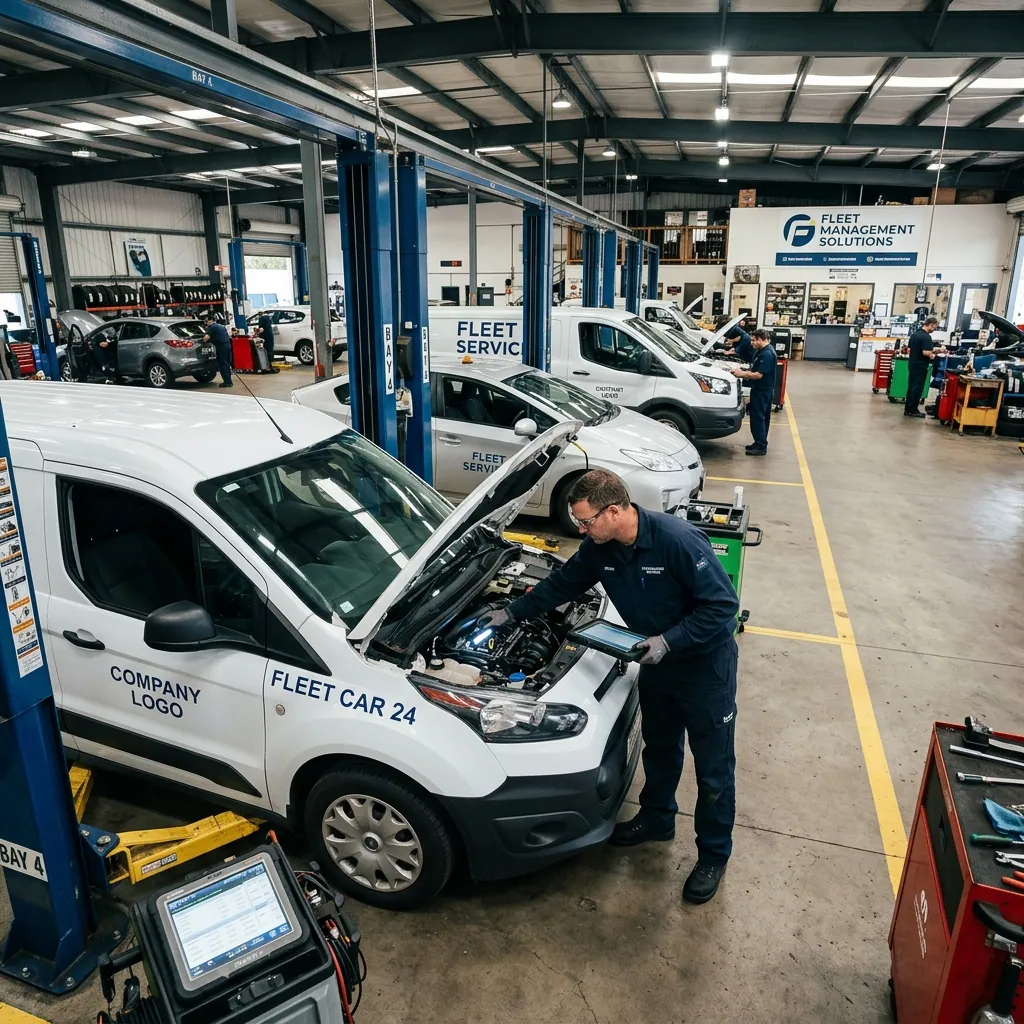
Build a per-delivered-vehicle cost that includes product, decoration, box, inlay, insert, staff or location distribution, storage, damage, inspection, and replenishment. Quote each tier separately and identify components shared across tiers so inventory can be simplified. Pilot a limited number of locations before a group-wide order. Ask the supplier to pack by location where useful, but compare that cost with central allocation and make carton labels part of the sample approval.
Compare quotations on the same configuration. Separate unit price from artwork, tooling, samples, packaging, inspection, freight, duty, tax, distribution, and replenishment. Reserve time for buyer feedback and sample revision; a production lead time quoted before the artwork and sample are approved is not the same as a committed delivery date.
RFQ Checklist and Practical Next Step
Before sending the request, confirm:
- Program goal, eligible customer and vehicle tiers, locations, handover timing, owner, and exceptions.
- Hero product, supporting SKUs, quantities, compatibility, scents, colours, instructions, and substitutions.
- Brand hierarchy, insert message, service contact, languages, artwork, and personalization boundary.
- Complete box, inlay, item security, opening order, outer tier mark, location pack, and carton.
- Staff script, receiving, storage, distribution record, safety stock, and reorder point.
- Complete set golden sample, BOM, defect examples, inspection, allocation, and complaint route.
- Pilot results, cost per delivered vehicle, scale decision, review date, and change control.
Use the car air freshener selection guide for dealerships for the adjacent decision, then send LANDRE a structured inquiry with the product IDs, quantity, market, artwork, package, deadline, and unresolved questions. A precise brief produces a more comparable quote and a safer approval path than asking only for the cheapest unit price.