
The right logo method is not the one with the most premium name. It is the method that fits the product material, surface shape, artwork, expected use, and budget while remaining repeatable in production.
For custom car gifts, buyers usually compare laser engraving and pad printing first. Packaging may also use screen printing or foil stamping. The best program can use more than one method: permanent marking on the product and full-colour print on the box or insert card.
Laser Engraving: Best for Permanent Contrast
Laser engraving removes or changes the surface layer to create a mark. It works well on suitable metals, anodised aluminium, coated surfaces, and some engineered materials.
Choose laser engraving when:
- the product has a stable metal or coated marking area;
- the brand accepts a one-colour material contrast;
- permanence matters more than full-colour reproduction;
- the logo contains clean lines that remain readable at the available size.
The buyer should approve the exact position, dimensions, contrast, and orientation on a physical sample. A digital mockup cannot show how the real material reacts to the laser.

Pad Printing: Best for Curved Shapes and Brand Colour
Pad printing transfers ink with a flexible silicone pad. It can mark curved or irregular surfaces that are difficult to print with a flat screen, and it can reproduce one or more spot colours when the product and artwork permit.
Choose pad printing when:
- the logo must retain a defined brand colour;
- the marking area is curved or recessed;
- the substrate accepts the selected ink system;
- the expected abrasion, sunlight, and cleaning exposure have been considered.
Ask for a sample made with the intended substrate, pretreatment, ink, and curing process. An ink that performs well on one plastic or coating may not behave the same way on another.
Screen Printing and Foil Stamping
Screen printing is efficient for bold graphics on suitable flat surfaces and packaging components. It is often useful for sleeves, cards, simple panels, and higher-volume single-colour work.
Foil stamping applies a metallic or pigmented foil to paperboard or another compatible packaging surface. It can create a strong presentation effect on rigid boxes, but the buyer still needs to review foil colour, coverage, fine detail, and registration on the actual packaging stock.
The private-label and OEM program connects product marking, packaging, sample approval, and production specifications in one workflow.
Colour References Are Not Finished-Product Proof
A named colour reference helps teams communicate, but appearance changes with substrate, coating, ink film, gloss, texture, and lighting. Pantone explains that the same colour can appear different on coated and uncoated paper.
For that reason, record both the colour reference and the approved physical result. If product and packaging use different materials, approve them separately rather than assuming one reference creates an identical appearance everywhere.
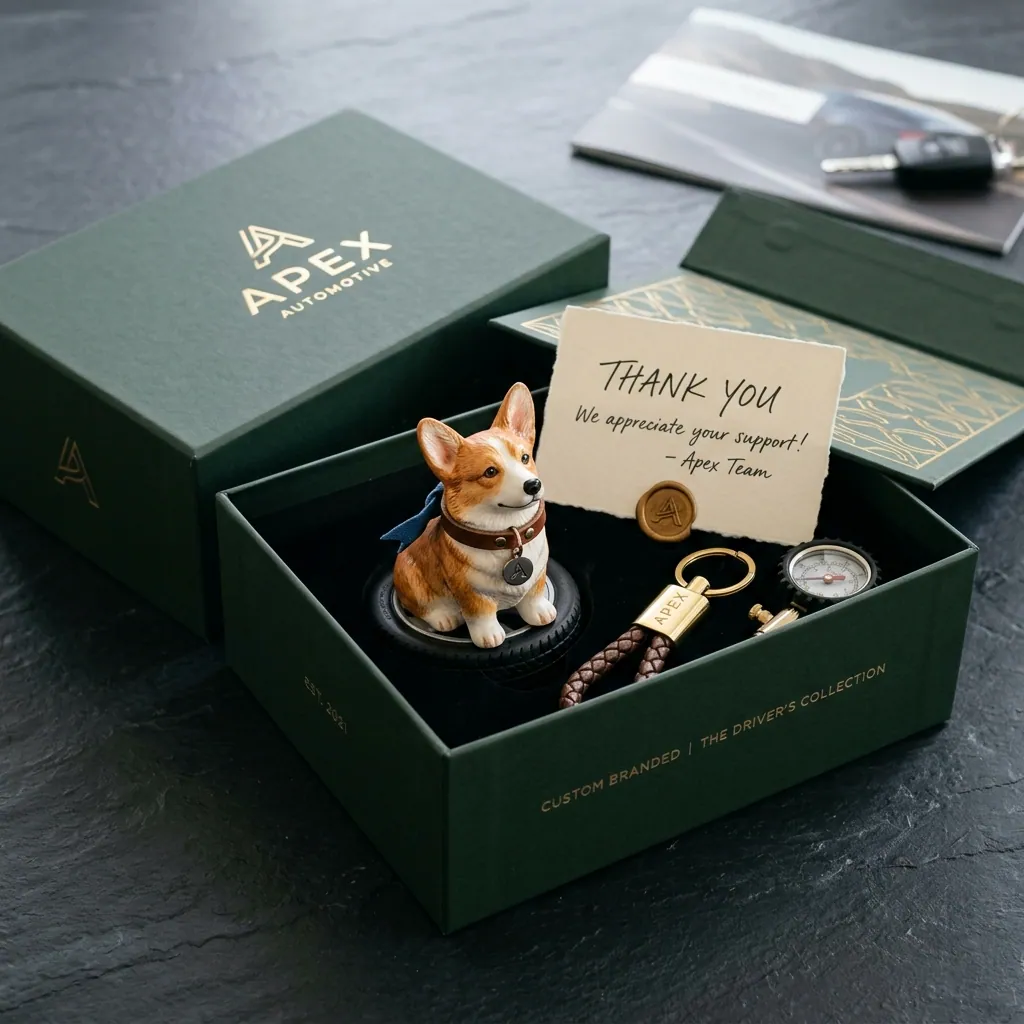
Artwork Checklist Before the Mockup
Send production-ready inputs:
- vector logo file where available;
- brand colour references;
- minimum clear space and prohibited treatments;
- approved monochrome version;
- target marking position and maximum dimensions;
- packaging artwork, dieline, and insert-card copy;
- destination-market language requirements.
Use the design upload page to send artwork and production notes together. The supplier should return a proof that identifies the product, surface, method, dimensions, colours, and artwork revision.
Keep this approval inside the wider MOQ and sample approval workflow. If the product will become a retail SKU, continue with the packaging and barcode checklist.
A Simple Selection Matrix
Use laser engraving for permanent, restrained marking on compatible surfaces. Use pad printing for shaped products and spot-colour logos. Use screen printing for suitable flat areas and packaging. Use foil stamping when the packaging needs a metallic presentation effect.
Do not approve the method by name alone. Approve the actual marked sample, packaging sample, and written specification. Then preserve those references for inspection and repeat orders.
Browse the product catalog to shortlist the marking surfaces, or request a physical sample kit before choosing the production route.