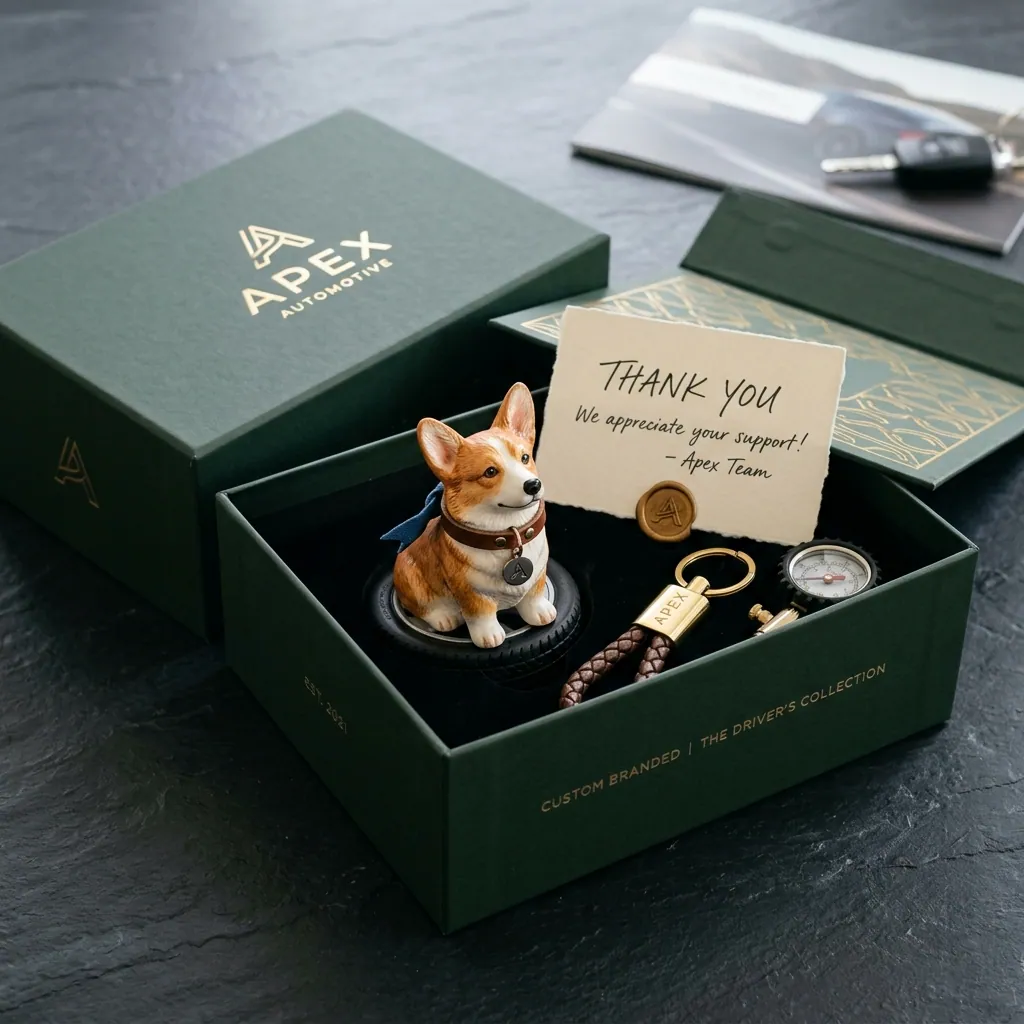
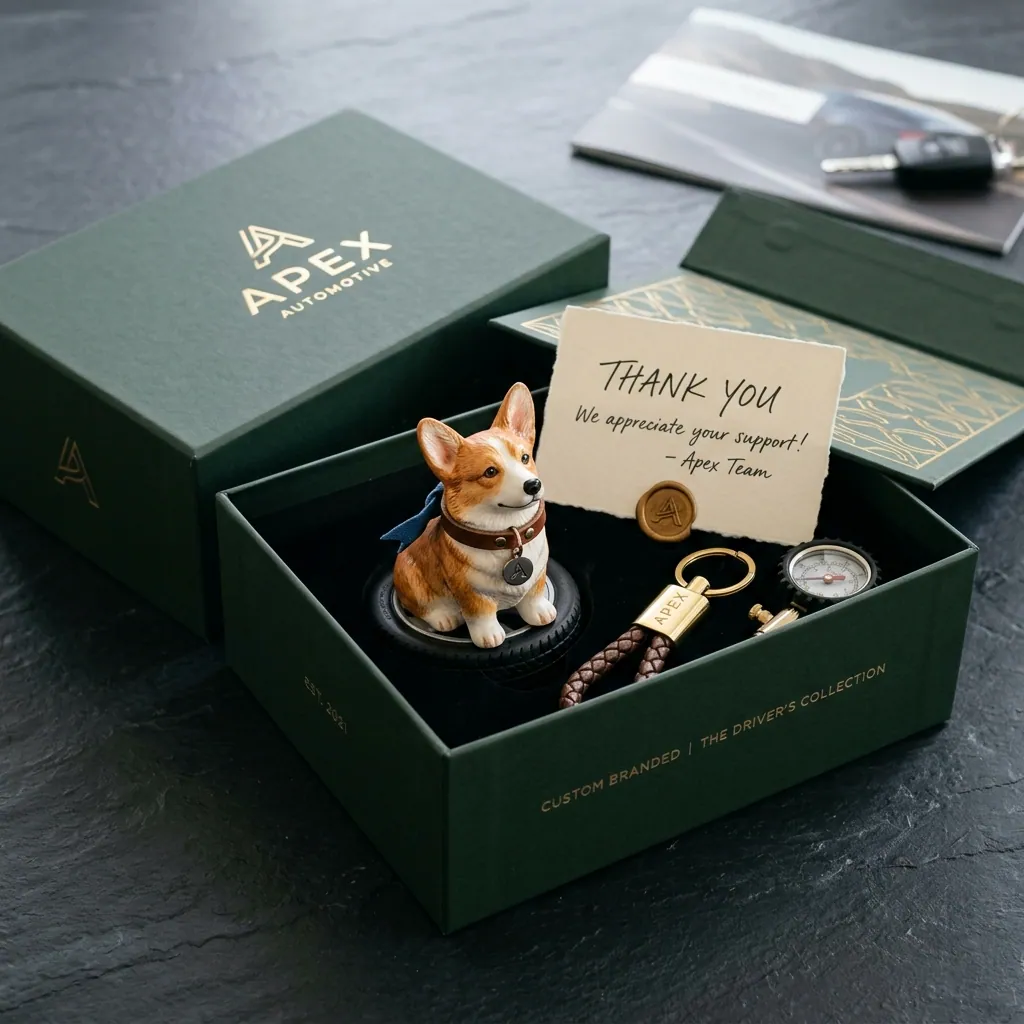
Packaging is part of the product experience and part of the supply chain. A rigid box may look premium but fail if the inlay compresses a moving component, the refill touches printed surfaces, the insert hides instructions, or the shipping carton allows boxes to rub. Conversely, an oversized presentation pack can increase material, freight, storage, and damage without improving the recipient’s understanding. A useful design begins with the product and distribution route, then adds protection, opening sequence, information, and brand hierarchy. This checklist helps creative and procurement teams approve the complete pack rather than a beautiful outer-box rendering.
Start with LANDRE's custom car air freshener and branded accessory options to identify relevant product families, then use this guide to turn a visual shortlist into a decision-ready brief. The commercial page is a route to product evidence and an RFQ, not a substitute for sample approval or market-specific compliance review.
The Buying Decision in One Paragraph
Approve automotive gift packaging as a system: consumer box, inlay, insert, product and refill fit, instructions, identity, claims, opening sequence, inner pack, carton, and physical handling evidence must describe one product revision.
A useful decision separates what is known, what must be measured, what the buyer must choose, and what a qualified compliance or logistics specialist must confirm. Record assumptions in writing. If a supplier changes a material, mechanism, fragrance, artwork revision, package, or route, reopen the affected approval instead of relying on an old photograph.
Decision Criteria That Change the Result
Start With Product Protection and Handling
Measure every product, accessory, refill, cable or component and identify fragile, moving, finished, scented, sharp, or contact-sensitive areas. Define how the item enters and leaves the inlay, which surfaces can touch, and how the pack behaves during normal warehouse and customer handling. Use the smallest pack that protects and presents the approved contents without forcing them.
Evidence to retain: Measured BOM, product contact map, inlay drawing, complete fit sample, handling observations, and correction notes.
Design a Clear Opening and Information Sequence
Decide what the recipient sees first, how the product is removed, where instructions and warnings appear, and whether refills or small components can be overlooked. Keep required and useful information visible and legible. Use the insert card for context and support rather than filling the box with unverified claims. The package should make correct use easier, not rely on an unboxing surprise.
Evidence to retain: Opening storyboard, final-size content proof, instruction placement, component count, and observed unboxing sample.
Connect Consumer Pack to Carton and Sustainability Claims
Specify inner-pack and carton quantities, orientation, protection, marks, weights, and dimensions. Review whether decorative layers can be reduced without harming the product. If environmental claims are used, state the precise supported attribute and qualification rather than broad terms such as eco-friendly. Destination systems and laws determine recovery or labelling duties.
Evidence to retain: Pack hierarchy, carton specification, material statement, supported claim file, final artwork, and physical packed-carton review.
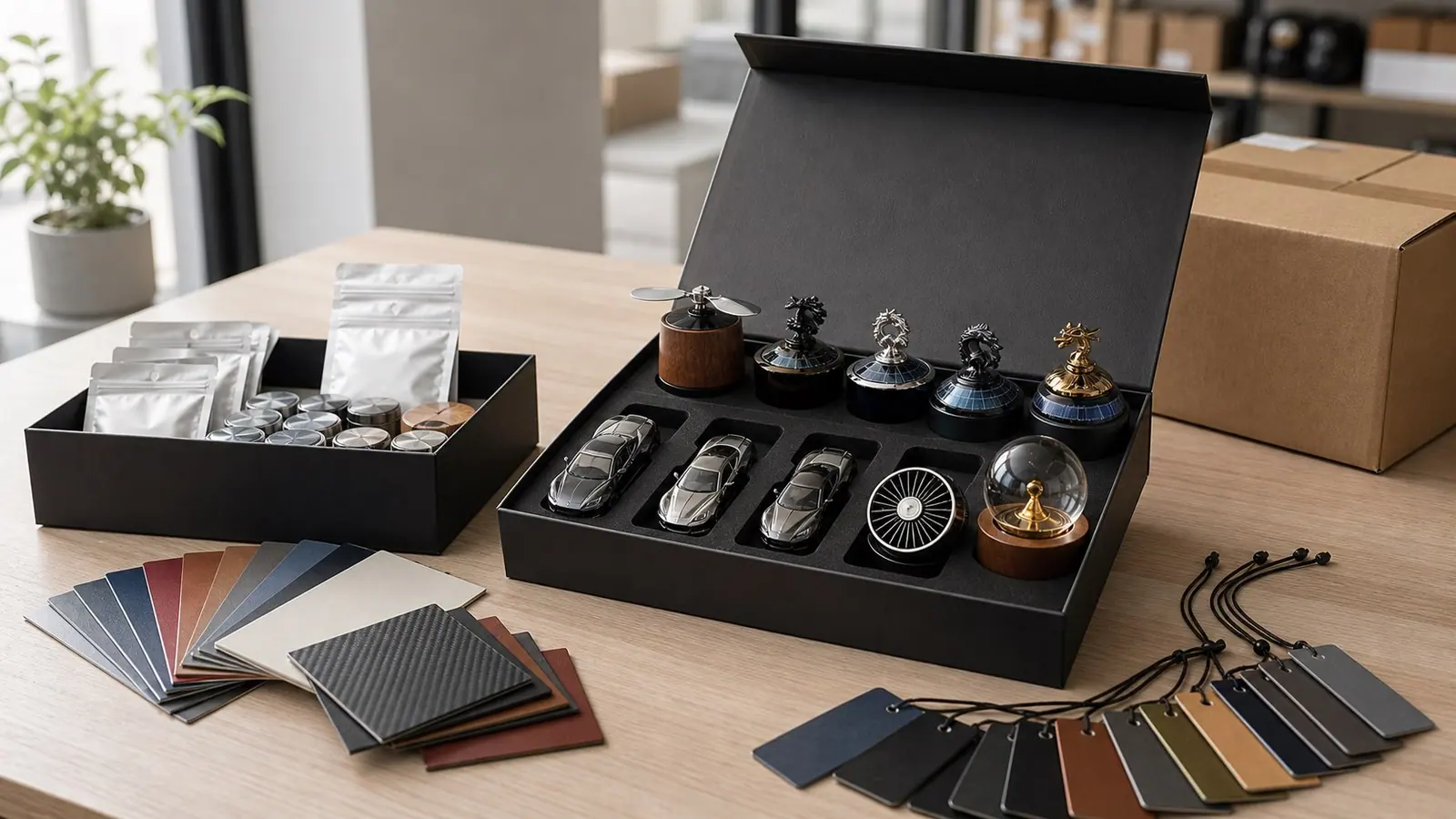
Use the LANDRE product catalog to compare named SKUs and preserve the product ID in the brief. For product, logo, packaging, and fit questions that cannot be resolved on screen, move the shortlist into the physical sample kit workflow.
Specification and Evidence to Send the Supplier
A supplier cannot quote or reproduce details that remain implicit. Put the following information in one controlled request, give every artwork and specification file a revision, and ask the supplier to identify any unsupported assumption before pricing.
- Exact product and accessory BOM, dimensions, weights, materials, finishes, fragile zones, fragrance contact, and movement.
- Consumer box dimensions, structure, opening, closure, inlay material, cavities, clearances, removal, and component count.
- Brand hierarchy, product identity, insert, instructions, warnings, support, claims, languages, barcode zone, and revisions.
- Material and coating specification, colour, print, foil or other decoration, glue, odour, rub, and appearance boundaries.
- Inner pack, carton count, orientation, dividers, protection, dimensions, weight, marks, pallet or route assumptions.
- Complete pack sample, handling or transport review where appropriate, defect rules, inspection, and change control.
The factory workflow shows where the RFQ, artwork proof, sample, production, inspection, and export evidence belong. Use the factory FAQ to resolve standard process questions, then place product-specific exceptions in the written quote.
Approval Workflow From Shortlist to Production
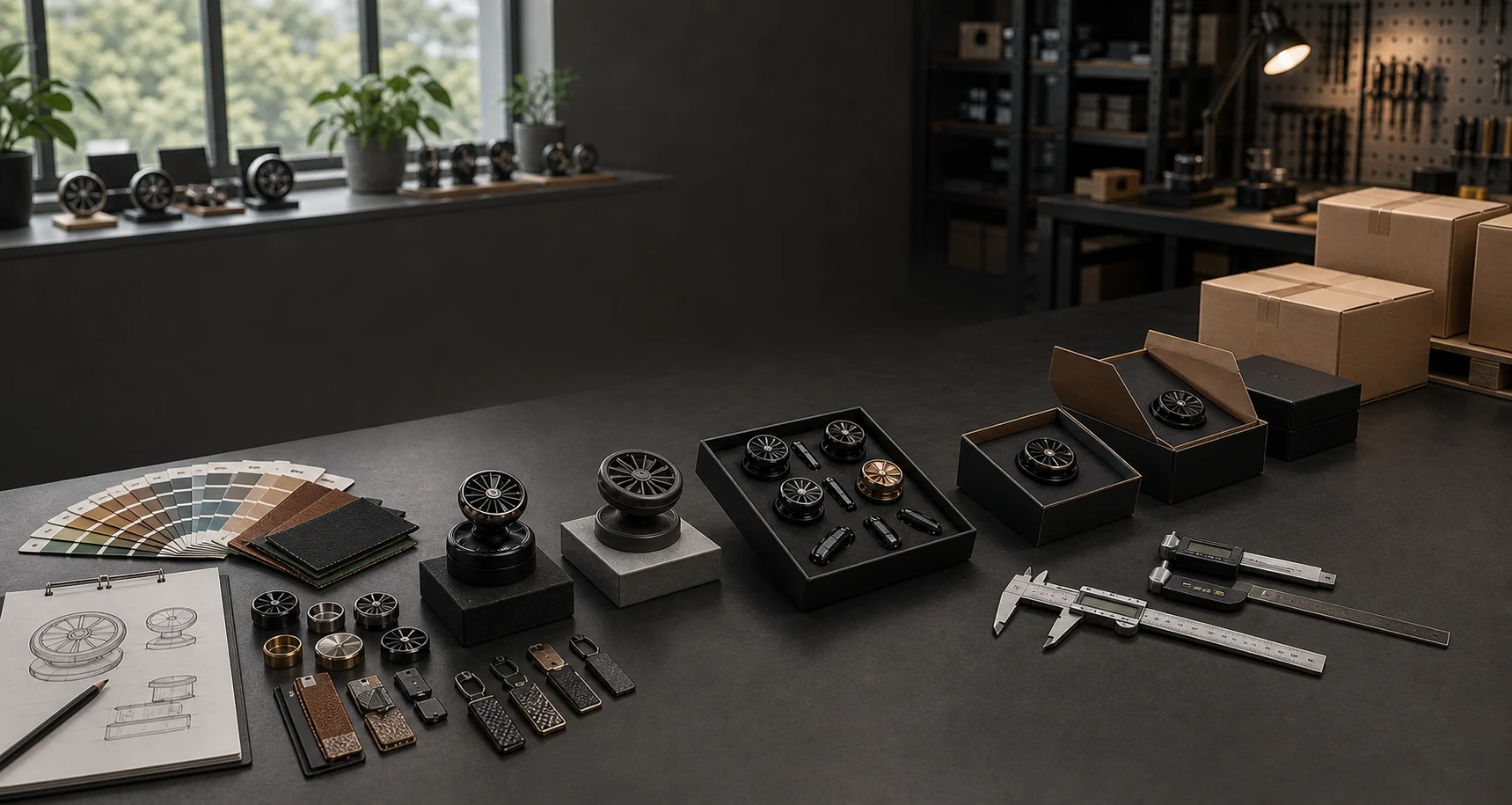
1. Freeze the product BOM and contact risks. Do not finalize an inlay before product, accessories, refills, dimensions, finishes, and fragile or scented zones are known.
2. Prototype structure and opening. Test fit, removal, movement, component visibility, instruction placement, box closure, handling, and user understanding.
3. Approve artwork at final size. Review identity, languages, instructions, warnings, claims, colour, print, barcode zone, and every package level.
4. Test the complete shipping configuration. Pack real products through consumer box, inner pack, and carton, then approve defects and inspection evidence.
Do not let approval live only in chat messages. Keep the final quote, artwork proof, physical-sample decision, packaging revision, inspection plan, and delivery instruction in the same order record. The detailed MOQ and sample approval guide explains how quantity tiers and approval gates should stay connected.
Risk Controls and Authoritative References
The main risks for this decision are predictable when the team names them before purchase:
- Outer box approved before inlay: Prototype the exact BOM and contact zones before dimensions and artwork are released.
- Small component omitted: Use a visible count, dedicated cavity, assembly or packing check, and complete-set inspection.
- Broad environmental claim: Use specific qualified claims only when competent evidence supports the stated product or packaging attribute.
- Consumer pack fails in carton: Approve inner pack, carton count, orientation, protection, rubbing, compression, marks, and route assumptions together.
Pantone explains that the same named colour can appear different on coated and uncoated paper, reinforcing the need to approve colour on each real substrate and finish. Review the Pantone coated and uncoated guidance with the responsible specialist before the order is released.
For US-facing environmental marketing, the FTC warns against broad unqualified claims and calls for clear, specific qualifications supported by competent evidence. Review the FTC environmental claims guidance with the responsible specialist before the order is released.
These sources are starting points, not certificates for a LANDRE product and not legal advice. The importer, brand owner, marketplace, carrier, and destination-country adviser should confirm which duties apply to the exact product, formulation, claims, packaging, and route.
Budget, MOQ, and Timeline Controls
Compare structural prototype, dieline, inlay tooling, printed proof, decoration, unit assembly, inner pack, carton, inspection, and freight. Reducing box volume can improve freight and storage, but only if protection and presentation remain acceptable. Premium finishes may create higher setup, minimum, rub, scuff, and colour-control demands. Keep a plain structural prototype gate before expensive printed samples, and lock the product BOM before final dieline approval to avoid retooling.
Compare quotations on the same configuration. Separate unit price from artwork, tooling, samples, packaging, inspection, freight, duty, tax, distribution, and replenishment. Reserve time for buyer feedback and sample revision; a production lead time quoted before the artwork and sample are approved is not the same as a committed delivery date.
RFQ Checklist and Practical Next Step
Before sending the request, confirm:
- Approved BOM, product dimensions, finish, fragile and movement zones, refill, accessory, and contact risks.
- Consumer box, closure, inlay, cavities, clearance, removal, component visibility, and opening sequence.
- Brand, identity, insert, instructions, warnings, support, claims, languages, barcode zone, and revisions.
- Material, coating, colour, print, decoration, glue, odour, rub, scuff, and visual boundaries.
- Inner pack, carton count, orientation, protection, dimensions, weight, marks, and route assumptions.
- Structural, printed, complete-pack, and carton samples with handling observations and defects.
- Tooling, setup, minimums, assembly, inspection, freight, change control, and retained sample.
Use the retail-ready packaging and barcode guide for the adjacent decision, then send LANDRE a structured inquiry with the product IDs, quantity, market, artwork, package, deadline, and unresolved questions. A precise brief produces a more comparable quote and a safer approval path than asking only for the cheapest unit price.