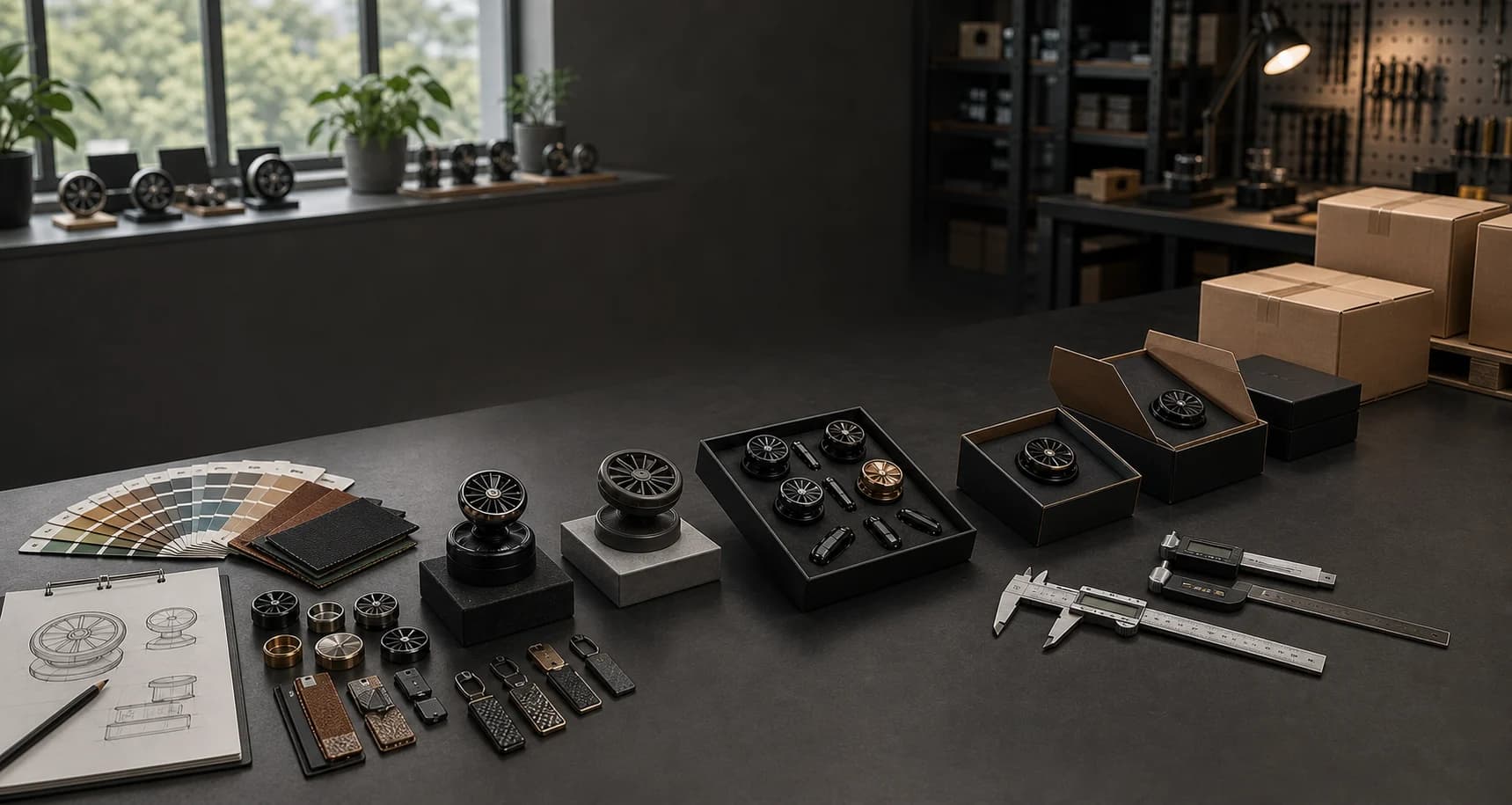
A quotation is comparable only when suppliers answer the same question. Asking for “best price for 1,000 custom car gifts” leaves product, material, logo, package, sample, market, inspection, freight, and timing open to interpretation. One supplier may include a rigid box and another a plain sleeve; one may quote an existing product and another a modified version. The apparent price gap is not a purchasing insight. A structured RFQ names known decisions, labels estimates, requests evidence, and gives suppliers a place to declare exceptions. This guide can be copied into a brief without pretending that one template replaces product-specific compliance or contract review.
Start with LANDRE's automotive business gift sourcing options to identify relevant product families, then use this guide to turn a visual shortlist into a decision-ready brief. The commercial page is a route to product evidence and an RFQ, not a substitute for sample approval or market-specific compliance review.
The Buying Decision in One Paragraph
A useful automotive-gift RFQ fixes the same product configuration, quantity, customization, package, market, quality, document, delivery, and commercial assumptions for every supplier, then requires exceptions to be stated explicitly.
A useful decision separates what is known, what must be measured, what the buyer must choose, and what a qualified compliance or logistics specialist must confirm. Record assumptions in writing. If a supplier changes a material, mechanism, fragrance, artwork revision, package, or route, reopen the affected approval instead of relying on an old photograph.

Decision Criteria That Change the Result
Lock the Comparison Configuration
Provide named product IDs or a clear functional and dimensional requirement, quantity tiers, destination, customization, package, required samples, and target date. Mark acceptable alternatives separately and require suppliers to quote the base configuration first. If an input is unknown, say who will decide it and by when rather than inviting each supplier to make a different assumption.
Evidence to retain: RFQ revision, product references, quantity table, market, artwork, package brief, open-decision owner, and issue date.
Request Evidence and Exceptions With the Price
Ask suppliers to identify materials, mechanism, component sources where critical, supported customization, sample route, production capacity basis, inspection evidence, carton data, required documents, and changes from the request. A yes answer without a reference is not evidence. Create an exception column so limitations are visible rather than buried in chat after award.
Evidence to retain: Completed compliance matrix, specification sheets, sample plan, evidence list, exception register, and named supplier contact.
Separate Trade Terms From Product and Payment
State the chosen Incoterms rule with named place and version only after logistics responsibilities are understood. Also define currency, tax assumptions, payment milestones, quote validity, production start condition, ownership, cancellation, changes, and document needs. Incoterms do not determine title, payment, product compliance, or every contract issue, so those terms must remain explicit.
Evidence to retain: Commercial schedule, named Incoterms rule and place, payment and title clauses, validity, milestones, and legal review.
Use the LANDRE product catalog to compare named SKUs and preserve the product ID in the brief. For product, logo, packaging, and fit questions that cannot be resolved on screen, move the shortlist into the physical sample kit workflow.
Specification and Evidence to Send the Supplier
A supplier cannot quote or reproduce details that remain implicit. Put the following information in one controlled request, give every artwork and specification file a revision, and ask the supplier to identify any unsupported assumption before pricing.
- Buyer, project, RFQ revision, response deadline, decision date, owner, communication route, confidentiality, and award process.
- Product IDs or requirements, materials, dimensions, function, fit, colours, quantity tiers, variants, destination, and use.
- Logo and artwork, method, positions, colours, package, insert, instructions, languages, identifiers, claims, and data.
- Digital proof, undecorated sample, decorated sample, complete pack, golden sample, review time, defects, and inspection.
- Unit and setup price, tooling, sample, package, inspection, freight, currency, validity, taxes, minimums, and capacity basis.
- Production start condition, milestones, Incoterms rule and place, documents, payment, title, changes, cancellation, and exceptions.
The factory workflow shows where the RFQ, artwork proof, sample, production, inspection, and export evidence belong. Use the factory FAQ to resolve standard process questions, then place product-specific exceptions in the written quote.
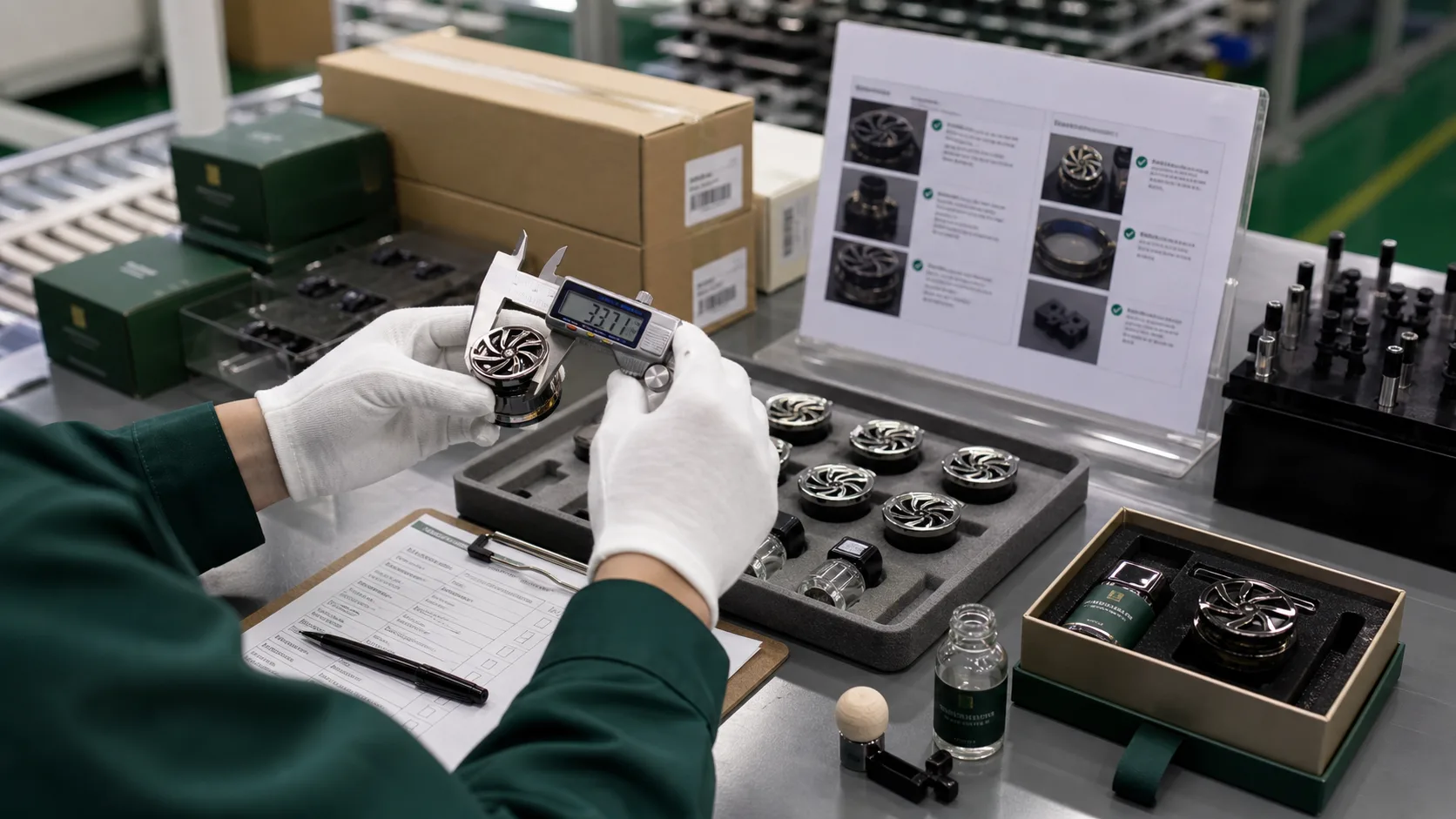
Approval Workflow From Shortlist to Production
1. Issue one controlled RFQ. Send the same revision and attachments to the qualified supplier set and route clarifications to a shared answer log.
2. Normalize responses. Compare base configuration, exceptions, evidence, samples, capacity, milestones, commercial terms, and total landed assumptions.
3. Validate finalists. Resolve critical exceptions, review documents, order samples, confirm responsible-market questions, and update the comparison.
4. Convert award into an order record. Carry the selected configuration, exceptions, sample, quality, commercial terms, documents, and changes into the purchase order.
Do not let approval live only in chat messages. Keep the final quote, artwork proof, physical-sample decision, packaging revision, inspection plan, and delivery instruction in the same order record. The detailed MOQ and sample approval guide explains how quantity tiers and approval gates should stay connected.
Risk Controls and Authoritative References
The main risks for this decision are predictable when the team names them before purchase:
- Lowest quote covers a different product: Force a base-configuration response and isolate alternate products, packages, mechanisms, and quantities.
- Exceptions hidden in conversation: Require a signed exception register and make unresolved items part of the award decision.
- Delivery term used without a named place: Use the specific Incoterms rule, named place or port, and version after logistics review.
- RFQ approval lost at purchase order: Transfer product, package, artwork, sample, quality, commercial, document, and exception revisions into the order.
ICC describes the official Incoterms framework for delivery obligations, cost, and risk; use the selected rule with a named place and keep payment, title, compliance, and other contract terms explicit. Review the ICC Incoterms 2020 overview with the responsible specialist before the order is released.
For US import planning, CBP's current invoice guidance illustrates why product description, quantities, values, classification information, and responsible party details belong in controlled trade documents. Review the CBP commercial invoice guidance with the responsible specialist before the order is released.
These sources are starting points, not certificates for a LANDRE product and not legal advice. The importer, brand owner, marketplace, carrier, and destination-country adviser should confirm which duties apply to the exact product, formulation, claims, packaging, and route.
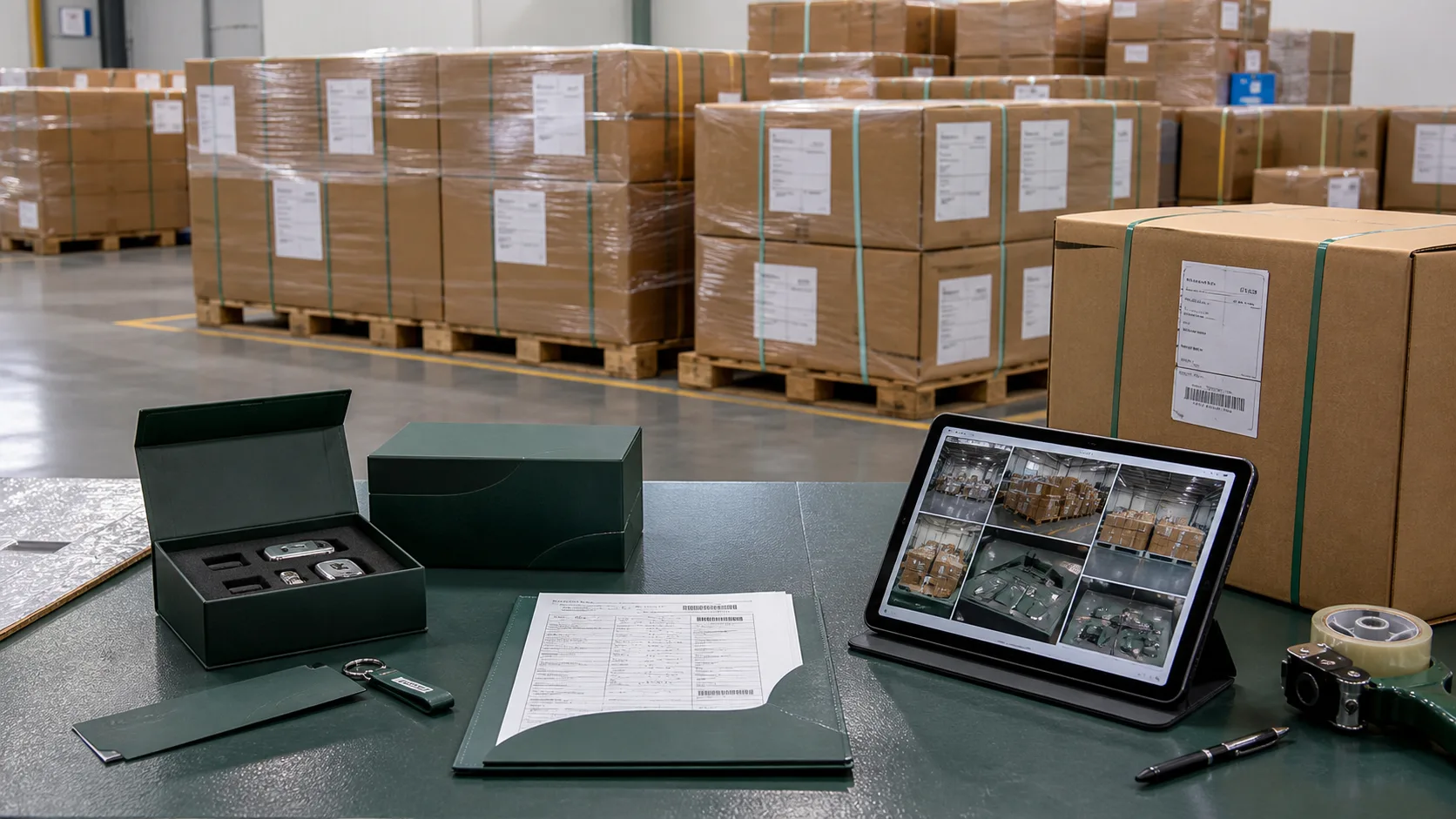
Budget, MOQ, and Timeline Controls
Compare total landed and operating assumptions, not only unit price. Separate recurring and one-time costs and identify what changes at each quantity tier. Normalize currency, quote date, validity, pack count, carton, freight basis, inspection, and tax treatment. Use a weighted decision that includes product evidence, sample result, quality control, response clarity, capacity basis, lead-time credibility, change control, and commercial fit. Do not invent precise supplier scores without agreed criteria and reviewers.
Compare quotations on the same configuration. Separate unit price from artwork, tooling, samples, packaging, inspection, freight, duty, tax, distribution, and replenishment. Reserve time for buyer feedback and sample revision; a production lead time quoted before the artwork and sample are approved is not the same as a committed delivery date.
RFQ Checklist and Practical Next Step
Before sending the request, confirm:
- Controlled RFQ revision, owners, dates, response format, clarification log, and confidentiality.
- Comparable product, materials, dimensions, function, quantity tiers, variants, market, use, and alternatives.
- Artwork, branding, package, instructions, languages, identifiers, claims, and required data.
- Proofs, samples, golden sample, quality defects, inspection evidence, and change controls.
- Unit, setup, tooling, sample, package, inspection, freight, currency, validity, and minimums.
- Production start, milestones, named trade term and place, documents, payment, title, and cancellation.
- Supplier evidence, capacity basis, exception register, normalized comparison, award, and purchase-order transfer.
Use the MOQ and sample approval buyer guide for the adjacent decision, then send LANDRE a structured inquiry with the product IDs, quantity, market, artwork, package, deadline, and unresolved questions. A precise brief produces a more comparable quote and a safer approval path than asking only for the cheapest unit price.