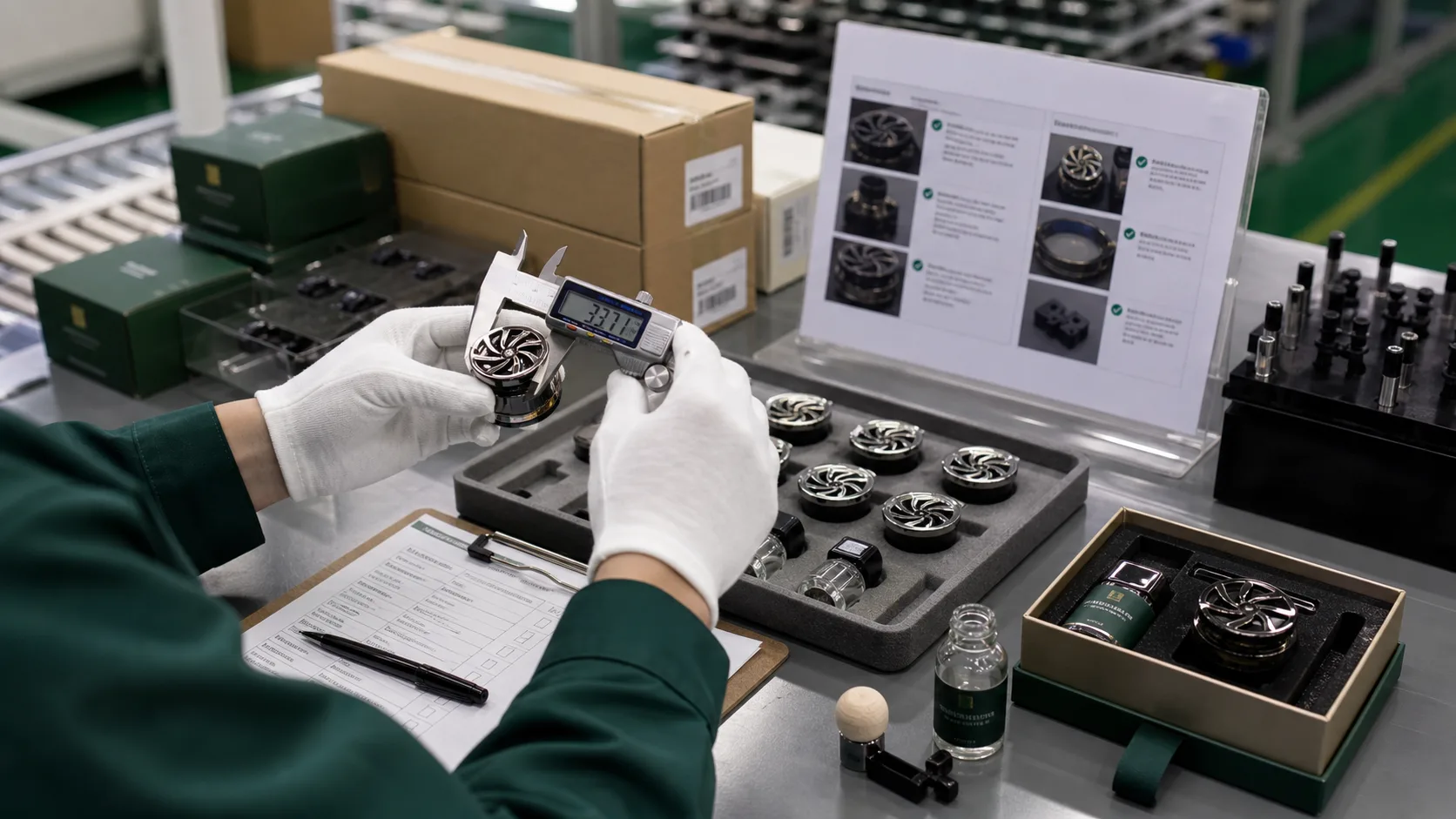
A golden sample is not a magical object that guarantees every unit will be identical. It is a physical reference within a larger controlled record. Without product ID, revision, materials, components, artwork, package, approval notes, storage, and defect rules, teams may compare production with the wrong sample or overlook changes that are invisible from the outside. Repeat orders are especially vulnerable because staff assume the previous result will return automatically. This guide explains how to identify, store, use, and update an approved sample while keeping supplier changes and corrective revisions visible.
Start with LANDRE's automotive business gift sourcing options to identify relevant product families, then use this guide to turn a visual shortlist into a decision-ready brief. The commercial page is a route to product evidence and an RFQ, not a substitute for sample approval or market-specific compliance review.
The Buying Decision in One Paragraph
A golden sample is useful only when it is the final approved product-and-package revision, labelled and stored with written specifications and defect rules, and supported by a change process that reopens affected approvals before production.
A useful decision separates what is known, what must be measured, what the buyer must choose, and what a qualified compliance or logistics specialist must confirm. Record assumptions in writing. If a supplier changes a material, mechanism, fragrance, artwork revision, package, or route, reopen the affected approval instead of relying on an old photograph.
Decision Criteria That Change the Result
Decide What the Golden Sample Represents
Use the final production-representative product with decoration, fragrance or consumable where relevant, instructions, inlay, consumer package, and approved accessories. Label it with SKU, product and package revisions, supplier, date, order, and approval owner. If one unit cannot represent colour, scent, movement, fit, or package variants, maintain a controlled set rather than pretending it can.
Evidence to retain: Labelled sample or sample set, master specification, BOM, artwork, package, approval record, and custody owner.
Define Critical Changes and Approval Impact
List material, component, sub-supplier, mechanism, dimensions, tooling, colour, coating, fragrance, carrier, logo process, artwork, pack, instruction, and manufacturing-site changes. For each, state the evidence and reviewers needed. A cosmetic change may still affect fit or compliance; a visually identical component may alter grip, movement, or durability.
Evidence to retain: Change matrix, supplier notification clause, affected reviews, sample requirements, decision owners, and revised release.
Use the Sample With Written Defect Rules
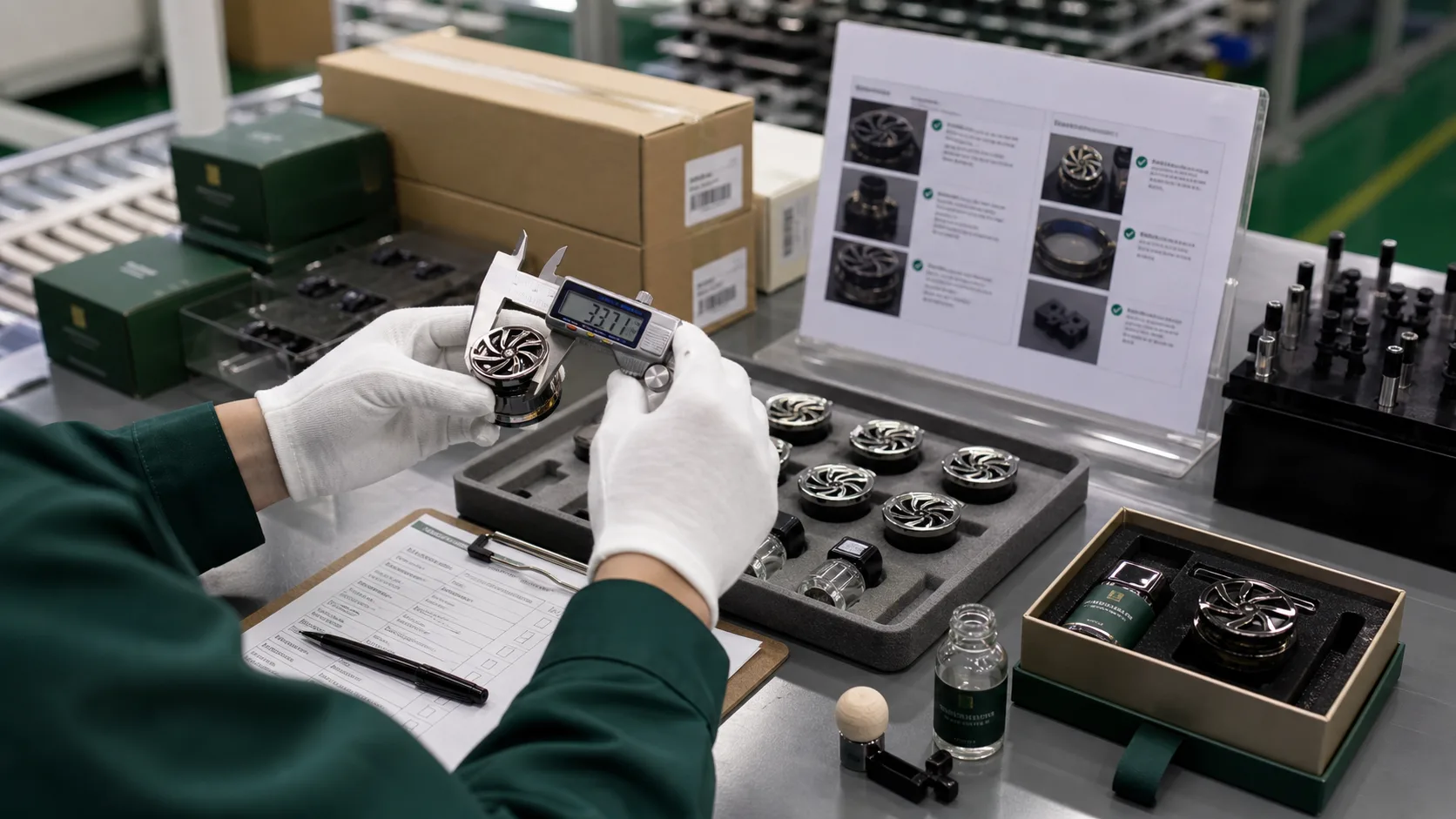
The sample can show acceptable appearance, but bulk inspection also needs measurable specifications and examples of critical, major, and minor defects appropriate to the product. Record whether the sample is an appearance limit, functional reference, or both. Protect it from handling, light, odour transfer, moisture, and damage that would make comparison unreliable.
Evidence to retain: Inspection plan, defect taxonomy and examples, measurements, test method, master-sample condition log, and replacement rule.
Use the LANDRE product catalog to compare named SKUs and preserve the product ID in the brief. For product, logo, packaging, and fit questions that cannot be resolved on screen, move the shortlist into the physical sample kit workflow.
Specification and Evidence to Send the Supplier
A supplier cannot quote or reproduce details that remain implicit. Put the following information in one controlled request, give every artwork and specification file a revision, and ask the supplier to identify any unsupported assumption before pricing.
- SKU, product and package revisions, supplier, site, order, date, approvers, sample status, quantity, and custody.
- BOM, critical materials, components, sub-suppliers, mechanism, dimensions, colour, coating, fragrance, and carrier.
- Artwork, logo process, location, packaging, inlay, instructions, languages, carton, images, and controlled files.
- Critical, major, and minor defect definitions, appearance limits, measurements, functions, tests, and inspection evidence.
- Change categories, notification time, required documents, sample or retest, affected reviewers, approval, and release.
- Sample storage, access, handling, condition checks, duplicate masters, replacement, retention period, and archive.
The factory workflow shows where the RFQ, artwork proof, sample, production, inspection, and export evidence belong. Use the factory FAQ to resolve standard process questions, then place product-specific exceptions in the written quote.
Approval Workflow From Shortlist to Production
1. Create the complete approved master. Label the final product and package sample and bind it to specifications, BOM, artwork, defects, inspection, and owners.
2. Map change impact. Require the supplier to disclose controlled-input changes and define which product, quality, market, artwork, or pack approvals reopen.
3. Use master and rules at inspection. Compare appearance and function using the retained reference plus written defects, measurements, methods, and sampling plan.
4. Maintain sample integrity. Store, inspect, replace, duplicate where necessary, and archive masters so time and handling do not corrupt the reference.
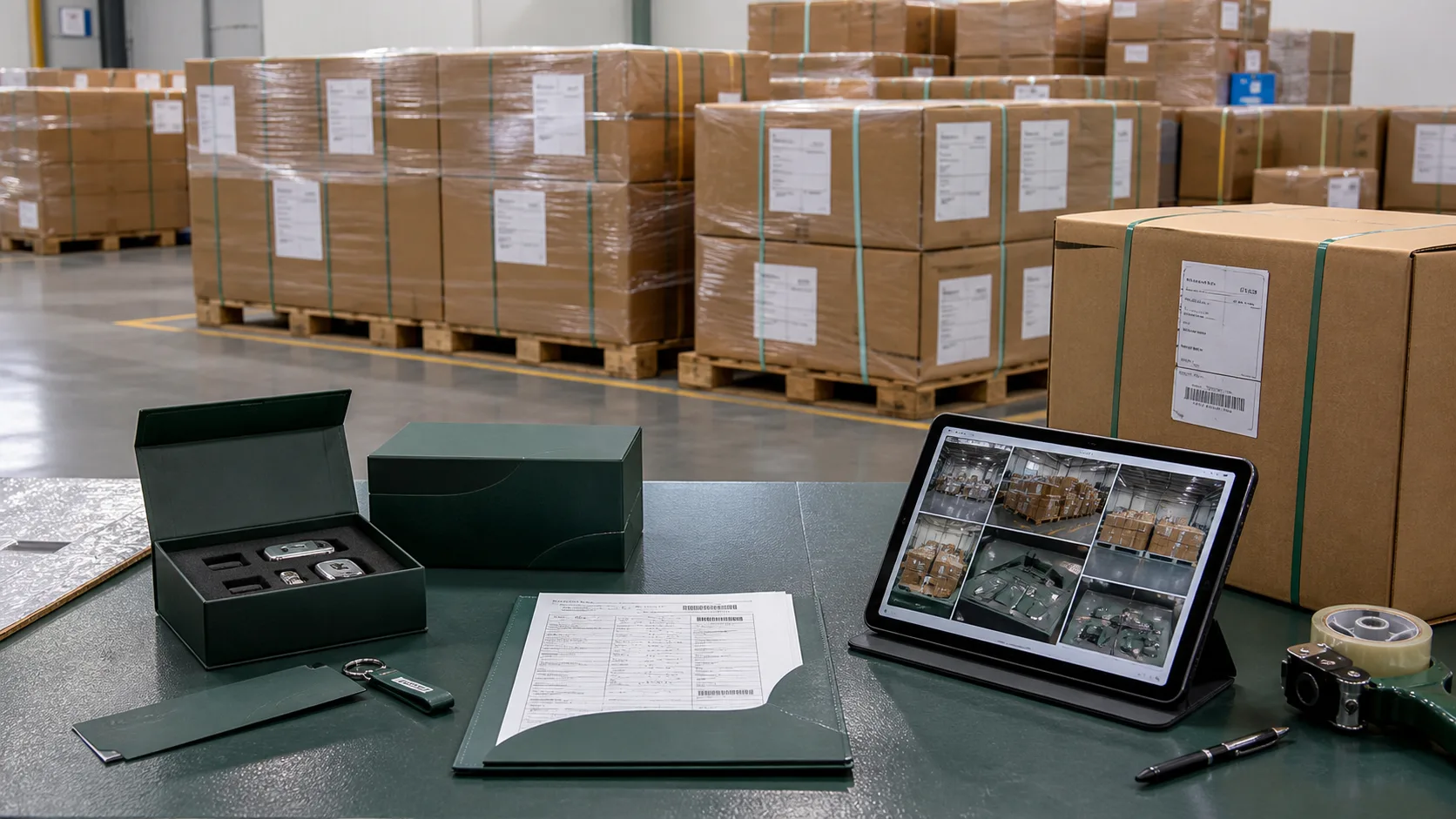
Do not let approval live only in chat messages. Keep the final quote, artwork proof, physical-sample decision, packaging revision, inspection plan, and delivery instruction in the same order record. The detailed MOQ and sample approval guide explains how quantity tiers and approval gates should stay connected.
Risk Controls and Authoritative References
The main risks for this decision are predictable when the team names them before purchase:
- Sample is an early prototype: Promote only the final production-representative product-and-package revision after all comments are closed.
- Supplier makes a silent equivalent change: Define critical inputs and require written notice, evidence, affected review, and approval before production.
- Sample replaces inspection criteria: Use written specifications, defects, measurements, functions, methods, and an appropriate sampling plan alongside the master.
- Master degrades in storage: Control handling, light, moisture, odour, access, condition checks, duplicates, and replacement.
The CPSC recommends documented specifications, supply-chain controls, traceability, and due care around material and component changes; those principles support a controlled master-sample record. Review the CPSC manufacturing best practices with the responsible specialist before the order is released.
ISO's current standard describes AQL-indexed lot-by-lot attribute sampling; a golden sample still needs written defect definitions and a qualified inspection plan. Review the ISO 2859-1:2026 overview with the responsible specialist before the order is released.
These sources are starting points, not certificates for a LANDRE product and not legal advice. The importer, brand owner, marketplace, carrier, and destination-country adviser should confirm which duties apply to the exact product, formulation, claims, packaging, and route.
Budget, MOQ, and Timeline Controls
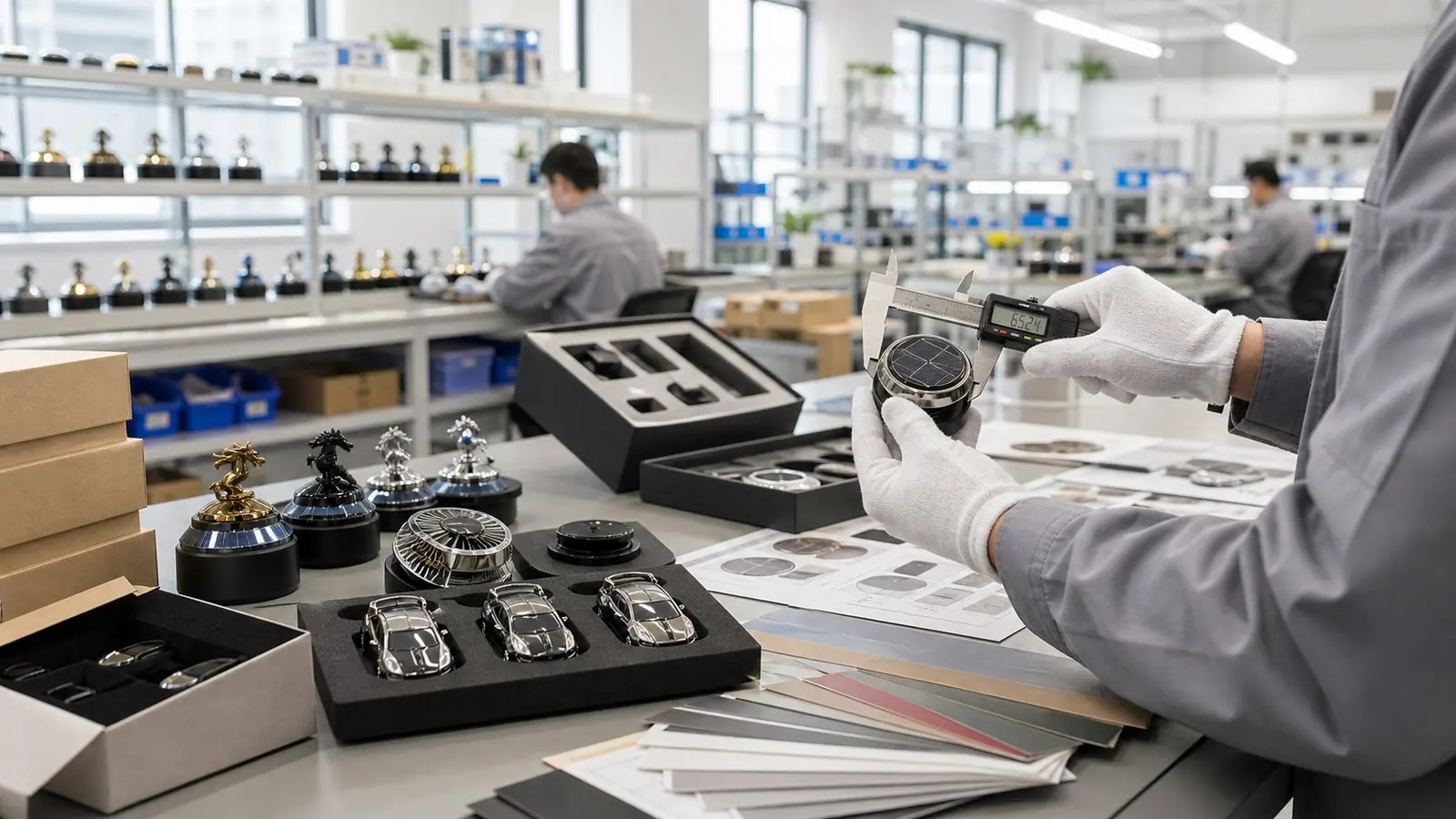
Budget final production-representative samples, duplicate masters for buyer and supplier, sealed fragrance references where needed, condition-controlled storage, and replacement after approved changes or ageing. Write change samples and retesting into the supplier agreement. A repeat order should include a preproduction confirmation that the BOM, site, materials, components, artwork, package, and critical suppliers remain unchanged; if not, the schedule needs time for affected approval before bulk work.
Compare quotations on the same configuration. Separate unit price from artwork, tooling, samples, packaging, inspection, freight, duty, tax, distribution, and replenishment. Reserve time for buyer feedback and sample revision; a production lead time quoted before the artwork and sample are approved is not the same as a committed delivery date.
RFQ Checklist and Practical Next Step
Before sending the request, confirm:
- Final complete product and package sample with SKU, revisions, supplier, order, date, status, and owners.
- Master specification, BOM, components, materials, suppliers, mechanism, dimensions, colour, fragrance, and carrier.
- Artwork, logo method, package, inlay, instructions, languages, carton, controlled files, and images.
- Defect categories, examples, measurements, functions, methods, inspection, and sampling plan.
- Change matrix, notification, evidence, sample, retest, affected reviewers, approval, and release.
- Storage, access, handling, condition checks, duplicate masters, replacement, retention, and archive.
- Repeat-order confirmation, unresolved deviations, corrective action, and current approved revision.
Use the automotive accessory sample testing guide for the adjacent decision, then send LANDRE a structured inquiry with the product IDs, quantity, market, artwork, package, deadline, and unresolved questions. A precise brief produces a more comparable quote and a safer approval path than asking only for the cheapest unit price.