An automotive gift can support a renewal, onboarding, roadside-assistance, repair-completion, or claims-service relationship, but the emotional context matters. A celebratory message may feel wrong after a stressful incident, and a product that implies road safety or insurance coverage can mislead. The program should begin with the customer moment, expected tone, and permitted use of data, then choose a practical product and fulfillment path. This guide focuses on brand appropriateness, recipient choice, privacy, delivery, complaints, and evidence so the gift strengthens service without confusing the policy or the customer’s rights.
Start with LANDRE's automotive business gift set options to identify relevant product families, then use this guide to turn a visual shortlist into a decision-ready brief. The commercial page is a route to product evidence and an RFQ, not a substitute for sample approval or market-specific compliance review.
The Buying Decision in One Paragraph
An insurer should choose a car gift that suits the exact policy, renewal, roadside, or claims moment, respects customer sensitivity and privacy, avoids implying coverage or safety benefits, and has a controlled fulfillment and complaint process.
A useful decision separates what is known, what must be measured, what the buyer must choose, and what a qualified compliance or logistics specialist must confirm. Record assumptions in writing. If a supplier changes a material, mechanism, fragrance, artwork revision, package, or route, reopen the affected approval instead of relying on an old photograph.
Decision Criteria That Change the Result
Match Product and Tone to the Customer Moment
Separate welcome, renewal, referral, roadside, repair completion, loyalty, and claims contexts. Write the desired customer outcome and prohibited messages for each. A neutral practical item may suit recovery or claims better than a playful ornament. Avoid language suggesting that receiving or using the gift changes coverage, claim handling, premiums, safety, or legal rights.
Evidence to retain: Journey map, customer moment, approved tone, prohibited implications, product rationale, and legal or compliance review.
Use Customer Data and Choice Carefully
Determine the lawful and transparent basis for selecting and contacting recipients, minimize fields shared with suppliers, and avoid exposing policy, claim, address, or personal data on visible packaging. Where scent, fit, accessibility, or personal context matters, offer an appropriate alternative or opt-out. Personalization should be necessary, accurate, and protected rather than decorative data collection.
Evidence to retain: Data-flow map, minimum fields, access controls, supplier terms, customer notice, opt-out or choice route, and correction process.
Control Fulfillment and Service Recovery
Choose branch, repair partner, direct mail, broker, or event distribution based on customer experience and data risk. Define undeliverable, damage, wrong item, scent concern, installation question, and complaint paths before launch. The gift should not force the claims or policy service team to solve product issues without information or replacement stock.
Evidence to retain: Fulfillment map, pack marks, support script, replacement stock, exception categories, escalation, and response target.
Use the LANDRE product catalog to compare named SKUs and preserve the product ID in the brief. For product, logo, packaging, and fit questions that cannot be resolved on screen, move the shortlist into the physical sample kit workflow.
Specification and Evidence to Send the Supplier
A supplier cannot quote or reproduce details that remain implicit. Put the following information in one controlled request, give every artwork and specification file a revision, and ask the supplier to identify any unsupported assumption before pricing.
- Customer moment, purpose, eligibility, excluded cases, approved tone, prohibited policy or safety implications, owner, and review.
- Product IDs, fit, scent, installation, accessibility, practical use, alternatives, opt-out, instructions, and warnings.
- Minimum recipient data, selection source, notice, consent where applicable, supplier access, retention, correction, and security.
- Brand, partner roles, personalization limit, insert message, service contact, languages, package, and artwork revisions.
- Branch, broker, repair partner, event, or direct-mail fulfillment, address handling, returns, damage, replacement, and support.
- Complete sample, inspection, allocation, complaint categories, measurement, stock, replenishment, and change control.
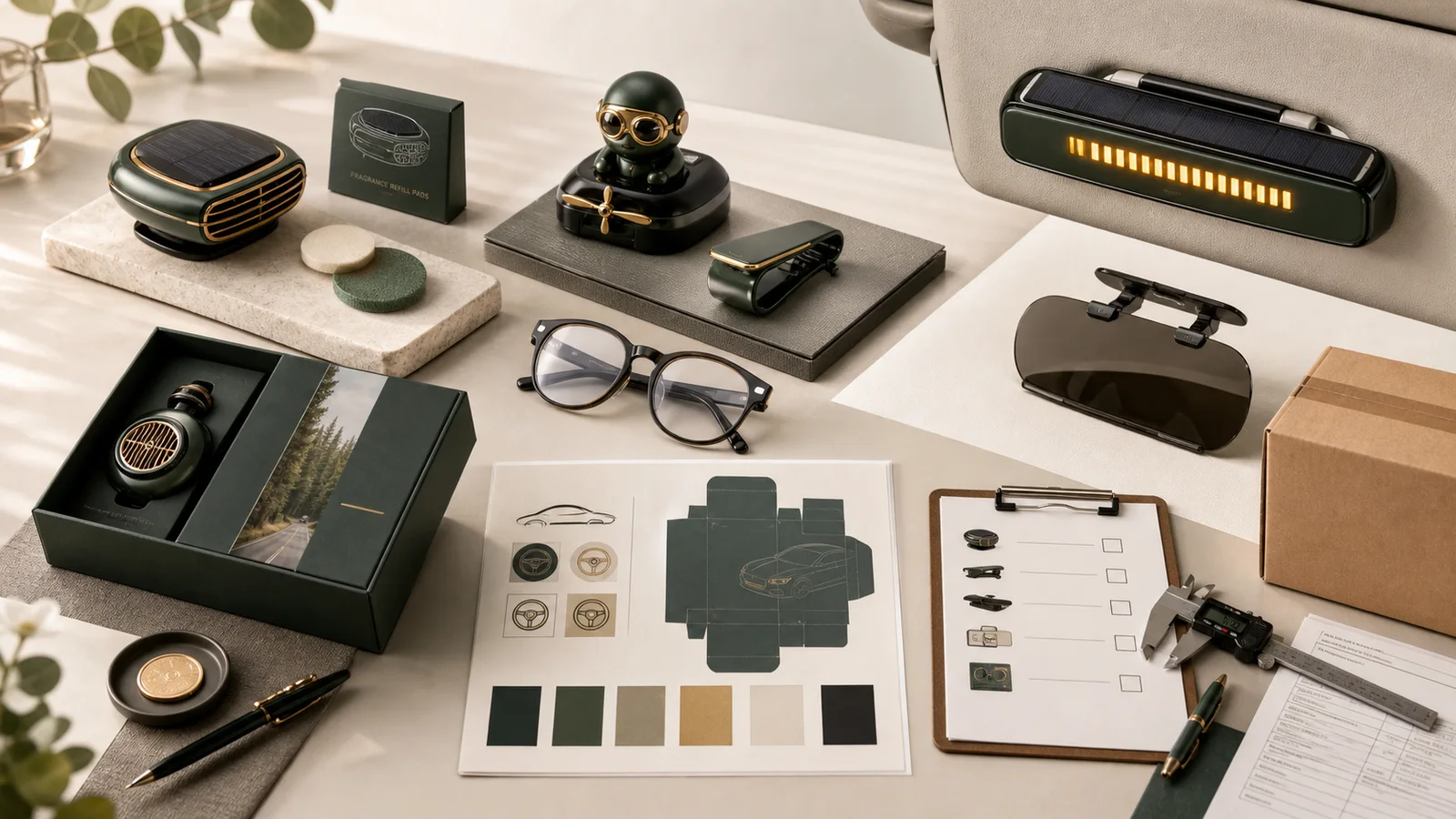
The factory workflow shows where the RFQ, artwork proof, sample, production, inspection, and export evidence belong. Use the factory FAQ to resolve standard process questions, then place product-specific exceptions in the written quote.
Approval Workflow From Shortlist to Production
1. Approve the journey and tone. Have customer, claims, policy, legal, compliance, privacy, and brand owners review purpose and prohibited implications.
2. Test product and customer choice. Review fit, scent, installation, accessibility, instruction, alternative, opt-out, and representative recipient feedback.
3. Pilot fulfillment and exceptions. Test minimum data transfer, packing, address quality, delivery, damage, wrong item, support, and replacement.
4. Measure service impact responsibly. Track delivery and useful feedback without presenting correlation as proof that the gift changed renewal or claim outcomes.
Do not let approval live only in chat messages. Keep the final quote, artwork proof, physical-sample decision, packaging revision, inspection plan, and delivery instruction in the same order record. The detailed MOQ and sample approval guide explains how quantity tiers and approval gates should stay connected.
Risk Controls and Authoritative References
The main risks for this decision are predictable when the team names them before purchase:
- Message conflicts with a sensitive claim: Segment customer moments and use approved neutral tone, alternative products, and manual exclusion where necessary.
- Gift implies coverage or safety: Remove language or design suggesting policy benefit, claim priority, premium effect, certification, or guaranteed road safety.
- Excess customer data shared: Minimize fields, restrict access and retention, use contractual controls, and keep sensitive context off visible packs.
- Product complaint reaches the wrong team: Provide a dedicated support script, replacement route, issue categories, escalation, and internal ownership.
Program owners should place safety, documented specifications, supplier controls, and traceable production records ahead of unverified claims or a purely visual product choice. Review the CPSC manufacturing best practices with the responsible specialist before the order is released.
When a gift becomes a retail or inventory-controlled unit, GS1 material helps teams distinguish product identification and scanning needs from decorative packaging artwork. Review the GS1 barcode standards overview with the responsible specialist before the order is released.
These sources are starting points, not certificates for a LANDRE product and not legal advice. The importer, brand owner, marketplace, carrier, and destination-country adviser should confirm which duties apply to the exact product, formulation, claims, packaging, and route.
Budget, MOQ, and Timeline Controls
Model cost by eligible customer and fulfillment route, including product choice, personalization, data-safe allocation, postage, undeliverable returns, damaged replacement, customer support, and unused stock. Direct mail may increase convenience and data exposure; branch or partner handover may reduce postage but add training and inventory. Pilot one customer moment and region. Keep a neutral reserve for replacements and avoid printing personal or sensitive event details on products that cannot be reused.
Compare quotations on the same configuration. Separate unit price from artwork, tooling, samples, packaging, inspection, freight, duty, tax, distribution, and replenishment. Reserve time for buyer feedback and sample revision; a production lead time quoted before the artwork and sample are approved is not the same as a committed delivery date.
RFQ Checklist and Practical Next Step
Before sending the request, confirm:
- Customer moment, program purpose, eligibility, exclusions, tone, prohibited implications, owner, and review.
- Practical product, fit, scent, installation, accessibility, alternatives, opt-out, instructions, and warnings.
- Minimum recipient data, notice, consent where needed, supplier access, retention, correction, and security.
- Brand and partner roles, personalization, insert message, service contact, language, and package.
- Fulfillment route, address handling, return, damage, wrong item, replacement, support, and escalation.
- Complete sample, inspection, allocation evidence, complaint categories, inventory, and replenishment.
- Pilot measures, customer feedback, privacy review, scale decision, and change control.
Use the retail-ready automotive gift packaging guide for the adjacent decision, then send LANDRE a structured inquiry with the product IDs, quantity, market, artwork, package, deadline, and unresolved questions. A precise brief produces a more comparable quote and a safer approval path than asking only for the cheapest unit price.