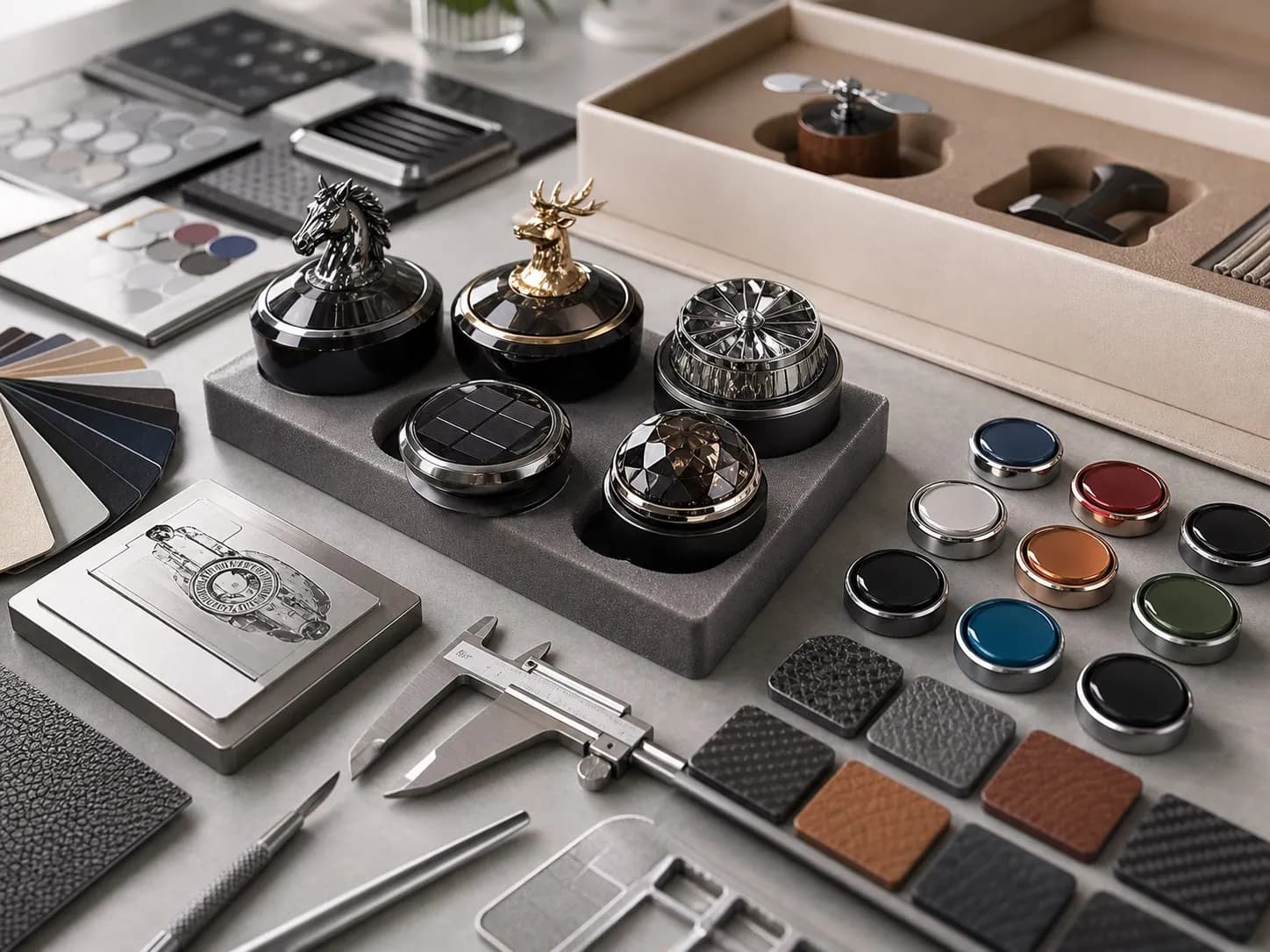
Private label can mean a logo on an existing product, a custom colour and package, a modified component, or a newly tooled product. Those routes have different cost, schedule, ownership, and compliance implications, yet buyers often request them with the same two words. The first task is to define the customization depth and which parts of the product remain the supplier’s standard design. The second is to establish who owns the brand, product identity, artwork, tooling, data, and market responsibilities. This guide gives brand and procurement teams a controlled path from concept to a repeatable SKU without promising that every idea needs full OEM development.
Start with LANDRE's custom car air freshener and branded accessory options to identify relevant product families, then use this guide to turn a visual shortlist into a decision-ready brief. The commercial page is a route to product evidence and an RFQ, not a substitute for sample approval or market-specific compliance review.
The Buying Decision in One Paragraph
A private-label automotive accessory program needs a buyer-owned product brief, brand authorization, market-role and claim decisions, controlled SKU and artwork identity, approved product-and-package sample, inspection rules, and repeat-order access.
A useful decision separates what is known, what must be measured, what the buyer must choose, and what a qualified compliance or logistics specialist must confirm. Record assumptions in writing. If a supplier changes a material, mechanism, fragrance, artwork revision, package, or route, reopen the affected approval instead of relying on an old photograph.
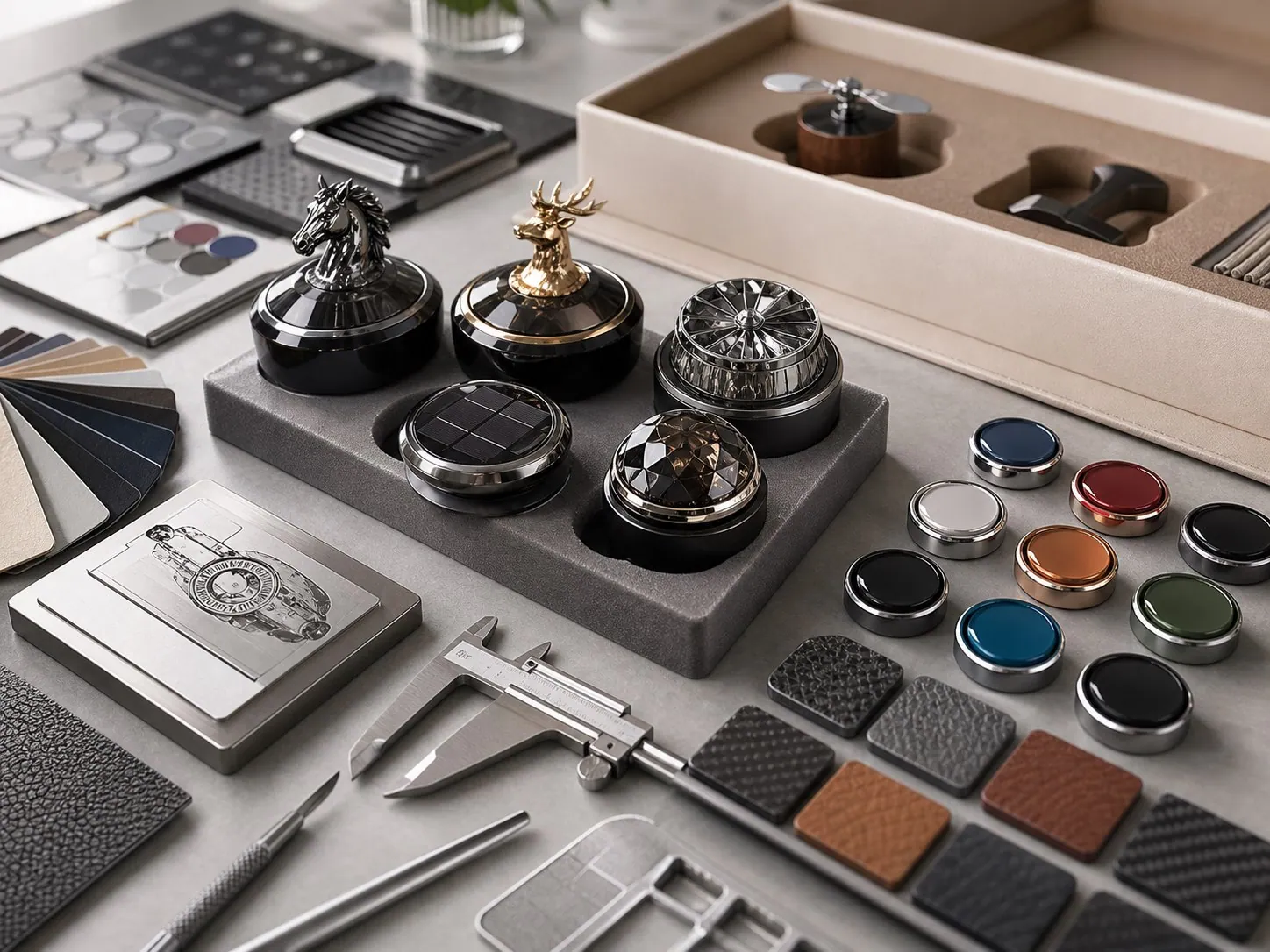
Decision Criteria That Change the Result
Choose the Minimum Customization That Achieves the Goal
Compare a stock product with logo, custom colour, custom package, modified component, and new product development. Use the highest existing rung that meets brand and user needs. A new mold is not automatically more valuable, and it adds prototype, testing, tooling, ownership, schedule, and minimum-order exposure. Document which standard supplier components remain unchanged.
Evidence to retain: Customization matrix, business goal, standard product reference, changed components, unchanged components, cost and risk comparison.
Assign Brand, Product, and Market Ownership
Confirm authorization to use logos and creative assets, who allocates SKU and product identifiers, who approves claims, who supplies market content, who acts as importer or responsible business, and who owns tooling and production files. A factory can execute approved specifications but should not become the accidental owner of the buyer’s product identity or unsupported legal assumptions.
Evidence to retain: Brand authorization, responsibility matrix, SKU and identifier owner, claims register, tooling agreement, and market brief.
Build a Repeatable Golden Record
Connect product ID, BOM, materials, colours, mechanism, artwork, package, instructions, images, carton, defect rules, suppliers, sample, and revisions. The record should survive team turnover and enable a new purchase order without relying on memory. Define which supplier or component changes need new evidence and who can approve an alternate.
Evidence to retain: Master SKU file, controlled BOM, artwork and package revisions, golden sample, inspection plan, supplier map, and change workflow.
Use the LANDRE product catalog to compare named SKUs and preserve the product ID in the brief. For product, logo, packaging, and fit questions that cannot be resolved on screen, move the shortlist into the physical sample kit workflow.
Specification and Evidence to Send the Supplier
A supplier cannot quote or reproduce details that remain implicit. Put the following information in one controlled request, give every artwork and specification file a revision, and ask the supplier to identify any unsupported assumption before pricing.
- Business goal, target user, channel, market, price position, customization depth, standard product, and changed components.
- Brand authorization, artwork rights, product identity, SKU and identifier owner, claims owner, importer, and responsible roles.
- BOM, materials, colours, finishes, mechanism, dimensions, mounting, fit, fragrance or other consumables, and suppliers.
- Product logo, package hierarchy, instructions, warnings, claims, languages, images, data, barcode, and artwork revisions.
- Prototype, decorated sample, complete package sample, golden sample, testing or review, defects, and inspection evidence.
- Tooling and file ownership, confidentiality, authorized production, reorder access, substitution, change control, and exit plan.
The factory workflow shows where the RFQ, artwork proof, sample, production, inspection, and export evidence belong. Use the factory FAQ to resolve standard process questions, then place product-specific exceptions in the written quote.
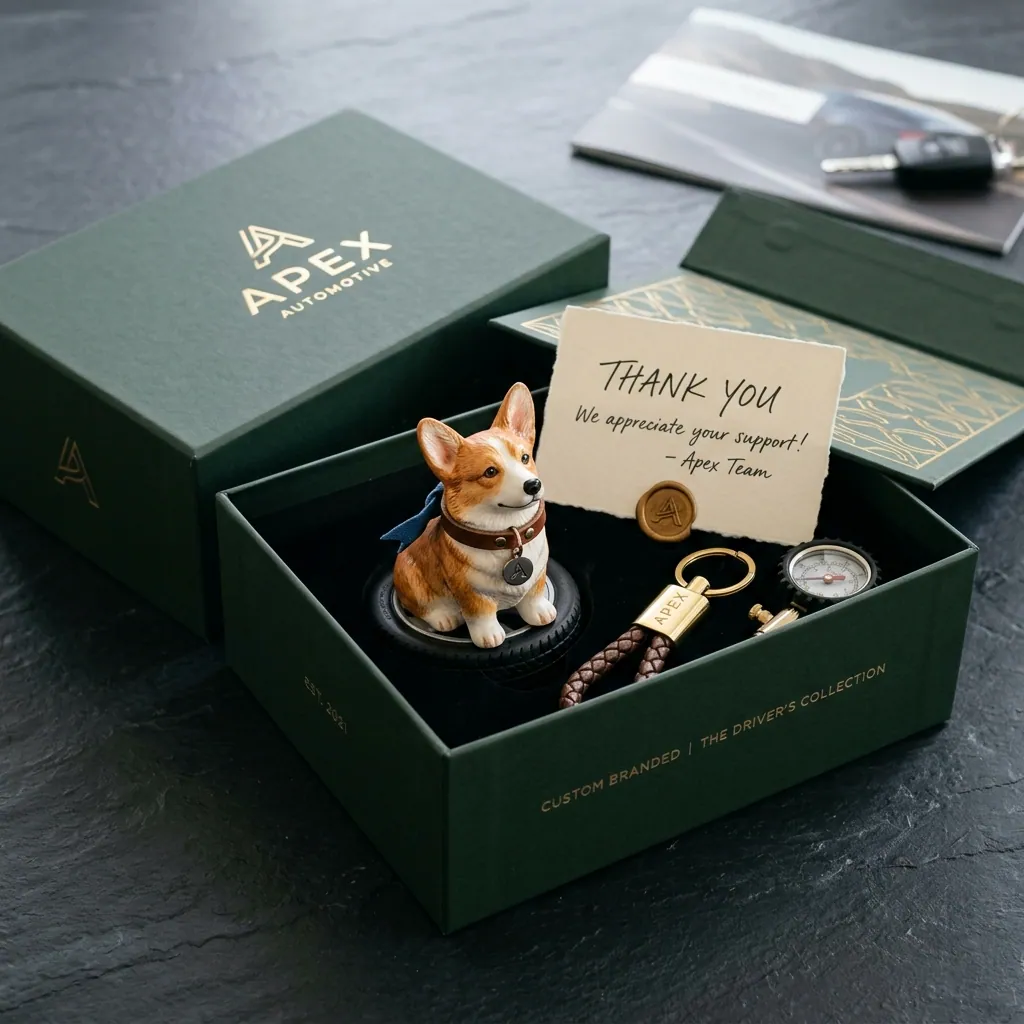
Approval Workflow From Shortlist to Production
1. Select customization depth. Compare stock, decorated, colour, package, component-change, and new-tooling routes against the actual brand and user objective.
2. Approve ownership and responsibility. Resolve brand use, SKU, identifiers, claims, market roles, tooling, files, confidentiality, and authorized production.
3. Develop and approve the complete SKU. Review product, function, fit, decoration, instructions, package, data, image, carton, and golden sample as one revision.
4. Protect repeat orders. Maintain BOM, suppliers, inspection, artwork, tools, files, alternates, change notice, reorder access, and project exit terms.
Do not let approval live only in chat messages. Keep the final quote, artwork proof, physical-sample decision, packaging revision, inspection plan, and delivery instruction in the same order record. The detailed MOQ and sample approval guide explains how quantity tiers and approval gates should stay connected.
Risk Controls and Authoritative References
The main risks for this decision are predictable when the team names them before purchase:
- Over-customization: Use an existing product and process where they meet the goal; add new tooling only when its user or brand value justifies exposure.
- Brand or tooling ownership ambiguity: Document authorization, scope, ownership, storage, maintenance, authorized use, files, and disposition before deposits.
- Supplier owns the only product record: Keep buyer-controlled SKU, BOM, artwork, package, images, data, golden sample, and change history.
- Unapproved component substitution: Name critical components and suppliers, require notice, define alternate evidence, and reopen affected approvals.
The USPTO explains that trademarks identify the source of goods or services and that rights have defined scope; brand owners should obtain appropriate advice for their marks, markets, and authorized production. Review the USPTO trademark basics with the responsible specialist before the order is released.
The CPSC recommends safety-by-design, documented specifications, supply-chain controls, traceability, and review of foreseeable use and misuse for consumer products. Review the CPSC manufacturing best practices with the responsible specialist before the order is released.
These sources are starting points, not certificates for a LANDRE product and not legal advice. The importer, brand owner, marketplace, carrier, and destination-country adviser should confirm which duties apply to the exact product, formulation, claims, packaging, and route.
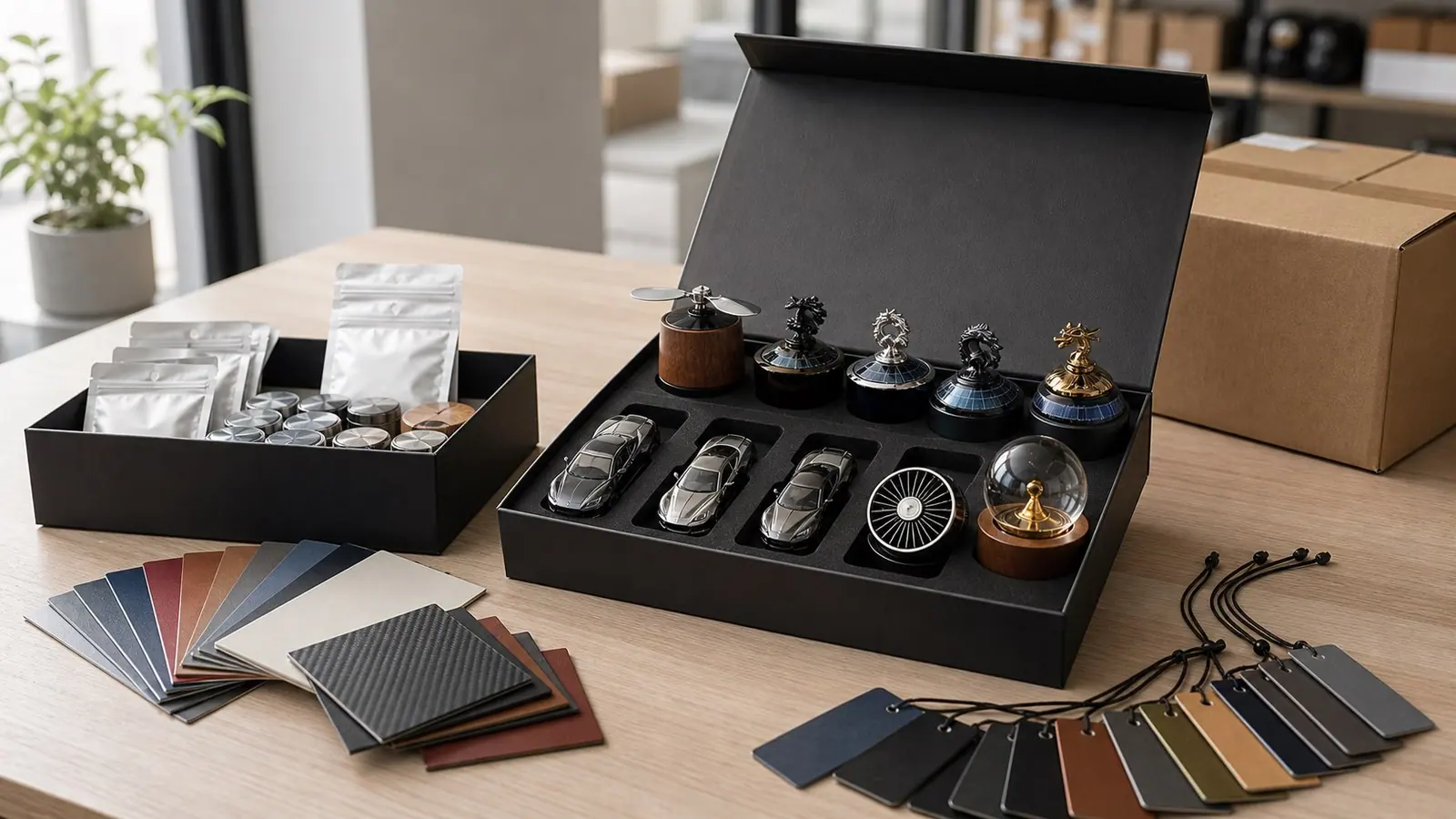
Budget, MOQ, and Timeline Controls
Request a route comparison: standard product plus logo, custom colour or package, modified component, and full development only where relevant. Separate artwork, prototype, tooling, testing, sample, packaging, photography, inspection, freight, and ownership charges. Define minimums by component and variant. A lower tooling quote is not comparable if the buyer lacks ownership or reorder access. Build a first-order and repeat-order cost view so one-time development does not hide unstable components or future setup charges.
Compare quotations on the same configuration. Separate unit price from artwork, tooling, samples, packaging, inspection, freight, duty, tax, distribution, and replenishment. Reserve time for buyer feedback and sample revision; a production lead time quoted before the artwork and sample are approved is not the same as a committed delivery date.
RFQ Checklist and Practical Next Step
Before sending the request, confirm:
- Target user, channel, market, goal, price, customization depth, standard base, and changed components.
- Brand authorization, product identity, SKU, identifiers, claims, importer, responsible roles, and market brief.
- Controlled BOM, materials, components, suppliers, mechanism, dimensions, fit, colour, and finish.
- Product and package artwork, instructions, warnings, claims, languages, images, data, and revisions.
- Prototype, decorated and complete-pack samples, golden sample, defect rules, and inspection evidence.
- Tooling and file ownership, confidentiality, authorized use, maintenance, reorder access, and exit.
- Minimums, route pricing, first and repeat order, substitutions, change control, and decision owners.
Use the retail packaging and barcode guide for the adjacent decision, then send LANDRE a structured inquiry with the product IDs, quantity, market, artwork, package, deadline, and unresolved questions. A precise brief produces a more comparable quote and a safer approval path than asking only for the cheapest unit price.