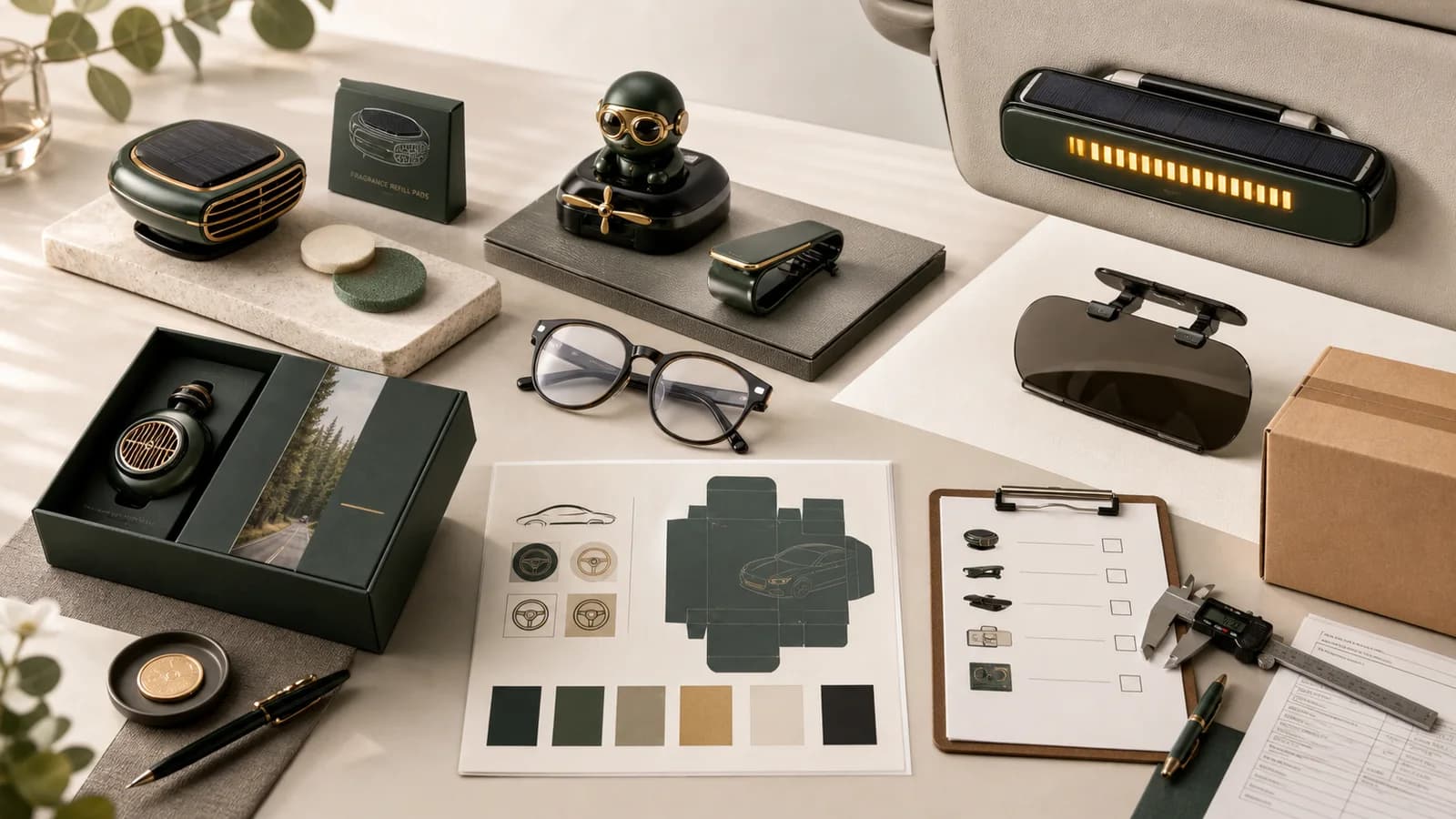
Universal fit is a marketing phrase until a buyer defines the population and evidence behind it. Automotive accessories interact with visor thickness, mirror housings, dashboard materials, screens, vents, controls, sensors, folding mechanisms, camera positions, and user reach. Testing every vehicle may be impractical, but testing one convenient car is equally weak. A representative matrix can reduce uncertainty when it is based on the program’s actual vehicles and deliberately includes different geometries. The output should show both successful and failed references, explain limitations, and trigger reapproval when the accessory or target fleet changes.
Start with LANDRE's custom solar visor accessory wholesale options to identify relevant product families, then use this guide to turn a visual shortlist into a decision-ready brief. The commercial page is a route to product evidence and an RFQ, not a substitute for sample approval or market-specific compliance review.
The Buying Decision in One Paragraph
A defensible vehicle fit test selects representative geometry from the real program, defines pass and fail criteria, records installation, controls, sight lines, mounting and removal, preserves failures, and limits compatibility claims to the evidence.
A useful decision separates what is known, what must be measured, what the buyer must choose, and what a qualified compliance or logistics specialist must confirm. Record assumptions in writing. If a supplier changes a material, mechanism, fragrance, artwork revision, package, or route, reopen the affected approval instead of relying on an old photograph.

Decision Criteria That Change the Result
Select Representative Geometry, Not Favourite Vehicles
Use sales, fleet, dealer, or channel data to identify the vehicles that matter, then group them by relevant geometry such as visor thickness, mirror edge, dashboard angle, surface texture, available clearance, or control layout. Include boundary cases and a likely failure. Document why each reference was chosen; a famous model does not automatically represent the program.
Evidence to retain: Target-population data, geometry groups, selected references, measurements, boundary cases, and selection rationale.
Define Pass and Fail Before Installation
Criteria may include secure mounting, no unacceptable obstruction, access to controls, no interference with folding or sensors, usable orientation, acceptable removal, product function, and clear instructions. Name observations that are outside the test, such as long-term weathering or regulatory compliance. A failure should remain in the record and influence instructions or product choice.
Evidence to retain: Test protocol, criteria, excluded questions, owner, photographs, measurements, failures, and disposition.
Translate Results Into Honest Compatibility Communication
State tested references and measured boundaries, not a promise that every untested vehicle will fit. If the product is sold broadly, give customers dimensions and a pre-purchase check. If it is distributed through a fleet or dealer, locations may confirm vehicle groups before issue. Reopen the matrix when geometry, mounting, component, instruction, or target population changes.
Evidence to retain: Compatibility statement, dimension guide, customer check, staff workflow, exception route, and revision trigger.
Use the LANDRE product catalog to compare named SKUs and preserve the product ID in the brief. For product, logo, packaging, and fit questions that cannot be resolved on screen, move the shortlist into the physical sample kit workflow.
Specification and Evidence to Send the Supplier
A supplier cannot quote or reproduce details that remain implicit. Put the following information in one controlled request, give every artwork and specification file a revision, and ask the supplier to identify any unsupported assumption before pricing.
- Target fleet, dealer, retail, or campaign population and the data used to identify relevant vehicle geometry.
- Vehicle references, model years where relevant, visor, mirror, dashboard, clearance, control, sight-line, and sensor measurements.
- Exact accessory revision, dimensions, weight, orientation, movement, mounting, contact material, installation, and removal.
- Pass, conditional pass, fail, excluded questions, conditions, tools, evidence, reviewer, and decision owner.
- Photographs, measurements, videos where useful, surface observations, failures, corrective actions, and retest results.
- Customer compatibility wording, dimensions, instructions, staff check, exception route, approved matrix, and change control.
The factory workflow shows where the RFQ, artwork proof, sample, production, inspection, and export evidence belong. Use the factory FAQ to resolve standard process questions, then place product-specific exceptions in the written quote.
Approval Workflow From Shortlist to Production
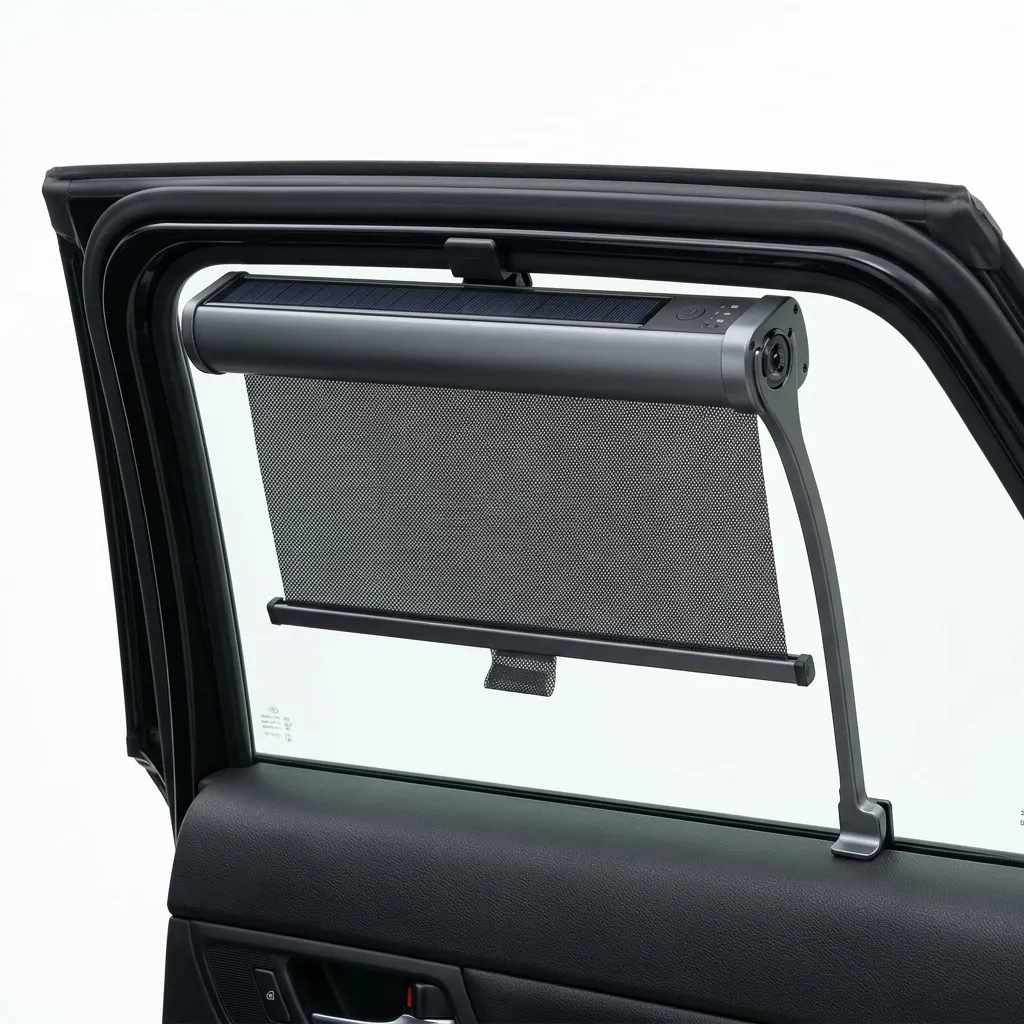
1. Segment the target population. Use business data and relevant geometry to choose representative, boundary, and likely-failure references.
2. Approve the protocol. Fix accessory revision, criteria, conditions, evidence, excluded questions, reviewer, and escalation before installation.
3. Record pass, conditional pass, and fail. Preserve measurements and photographs for all outcomes and correct the product or communication where needed.
4. Publish bounded compatibility. Give dimensions, tested references, limitations, customer or staff checks, and a revision date rather than universal assurance.
Do not let approval live only in chat messages. Keep the final quote, artwork proof, physical-sample decision, packaging revision, inspection plan, and delivery instruction in the same order record. The detailed MOQ and sample approval guide explains how quantity tiers and approval gates should stay connected.
Risk Controls and Authoritative References
The main risks for this decision are predictable when the team names them before purchase:
- Convenience sample bias: Choose vehicles from target-population and geometry data, including boundary and failure cases, not only available staff cars.
- Undefined success: Approve pass, conditional pass, fail, excluded questions, and escalation before the first installation.
- Failures removed from evidence: Retain failed references and use them to change the product, instructions, compatibility statement, or distribution rule.
- Fit claim outlives the product: Version the matrix and reopen it after product, mounting, component, instruction, vehicle population, or geometry changes.
Safety-by-design starts before artwork: document intended installation, foreseeable misuse, critical materials, performance checks, and the change-control evidence expected from the supplier. Review the CPSC manufacturing best practices with the responsible specialist before the order is released.
For EU distribution, use the Commission overview to begin a product-specific review of responsible-operator, traceability, warning, and market-surveillance duties. Review the European Commission product safety overview with the responsible specialist before the order is released.
These sources are starting points, not certificates for a LANDRE product and not legal advice. The importer, brand owner, marketplace, carrier, and destination-country adviser should confirm which duties apply to the exact product, formulation, claims, packaging, and route.
Budget, MOQ, and Timeline Controls
Budget vehicle access, samples, mounting consumables, measurement tools, installation and removal time, independent review, documentation, corrective prototypes, and retest. The matrix size should reflect commercial exposure and risk; adding vehicles without new geometry may produce little value. Agree whether the supplier supports fit questions and replacement mounts. Do not print a broad compatibility claim until the final sample and matrix are approved, because packaging inventory can make a weak claim expensive to correct.
Compare quotations on the same configuration. Separate unit price from artwork, tooling, samples, packaging, inspection, freight, duty, tax, distribution, and replenishment. Reserve time for buyer feedback and sample revision; a production lead time quoted before the artwork and sample are approved is not the same as a committed delivery date.
RFQ Checklist and Practical Next Step
Before sending the request, confirm:
- Target population, business data, geometry groups, representative vehicles, boundaries, and likely failures.
- Exact accessory revision, dimensions, weight, mount, contact material, installation, function, and removal.
- Pass, conditional pass, fail, excluded questions, conditions, tools, evidence, and reviewers.
- Sight-line, control, sensor, folding, vent, display, clearance, surface, and damage observations.
- Complete pass and failure record with photographs, measurements, corrections, and retest.
- Bounded compatibility statement, customer dimensions, staff workflow, exceptions, and version date.
- Change triggers for product, component, mounting, instruction, geometry, and target population.
Use the car dashboard ornament safety and fit checklist for the adjacent decision, then send LANDRE a structured inquiry with the product IDs, quantity, market, artwork, package, deadline, and unresolved questions. A precise brief produces a more comparable quote and a safer approval path than asking only for the cheapest unit price.