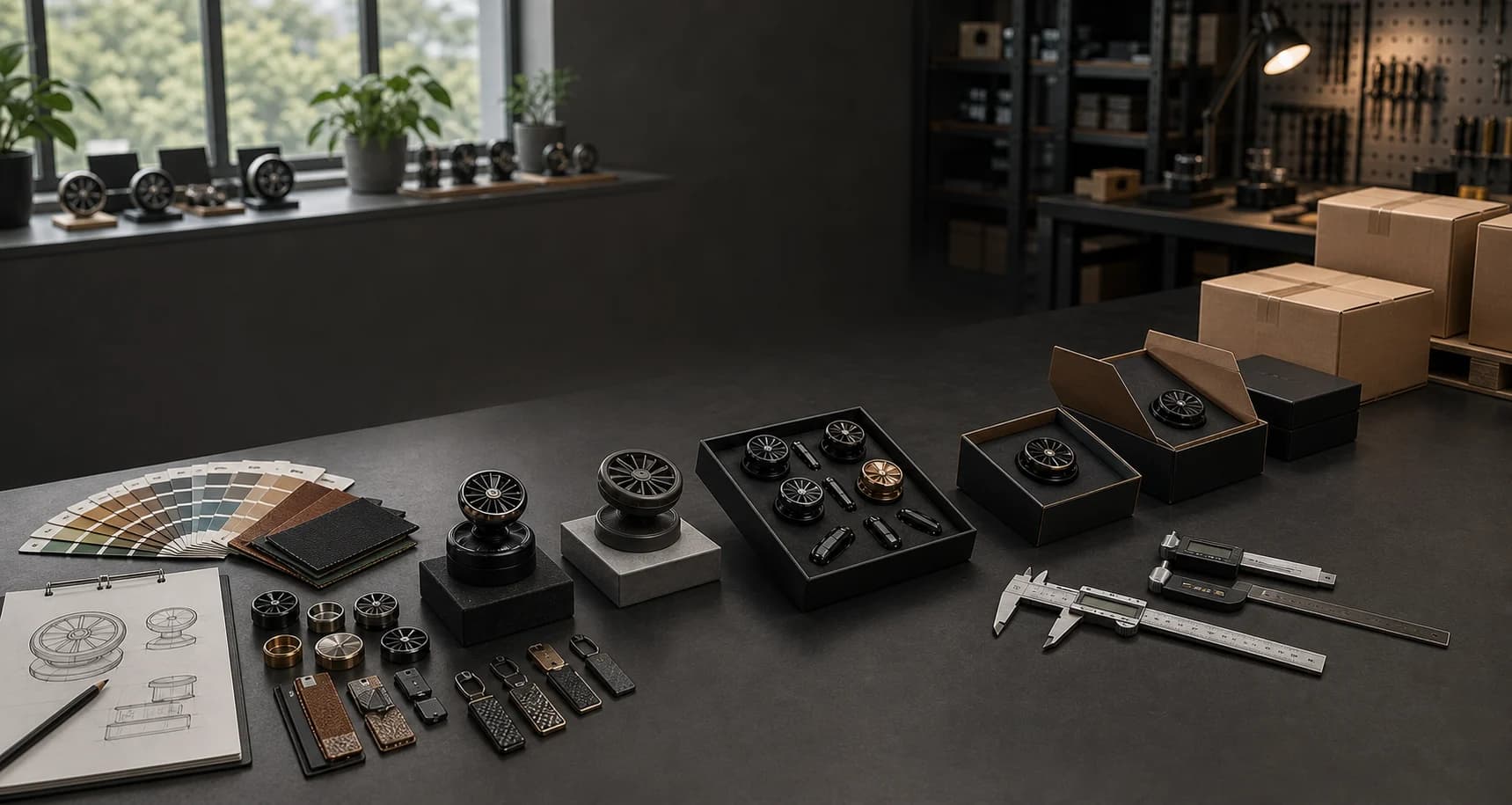
A Pantone code is a communication reference, not a guarantee that plastic, anodized metal, resin, ink, foil, coated board, and uncoated paper will look identical. Material colour, surface texture, gloss, ink film, translucency, process, and lighting change perception. The correct goal is controlled brand harmony, not an impossible claim that every component has the same measured or visual result. Buyers should name the target, prioritize the most important surface, approve physical samples for each process, and define how repeat orders will be compared. This guide helps teams prevent endless subjective colour comments and unsupported promises of a perfect match.
Start with LANDRE's custom car air freshener and branded accessory options to identify relevant product families, then use this guide to turn a visual shortlist into a decision-ready brief. The commercial page is a route to product evidence and an RFQ, not a substitute for sample approval or market-specific compliance review.
The Buying Decision in One Paragraph
Use a Pantone reference to communicate a target, then approve the actual colour separately on each production substrate, coating, texture, gloss, and process under agreed light, with a retained sample and practical tolerance.
A useful decision separates what is known, what must be measured, what the buyer must choose, and what a qualified compliance or logistics specialist must confirm. Record assumptions in writing. If a supplier changes a material, mechanism, fragrance, artwork revision, package, or route, reopen the affected approval instead of relying on an old photograph.
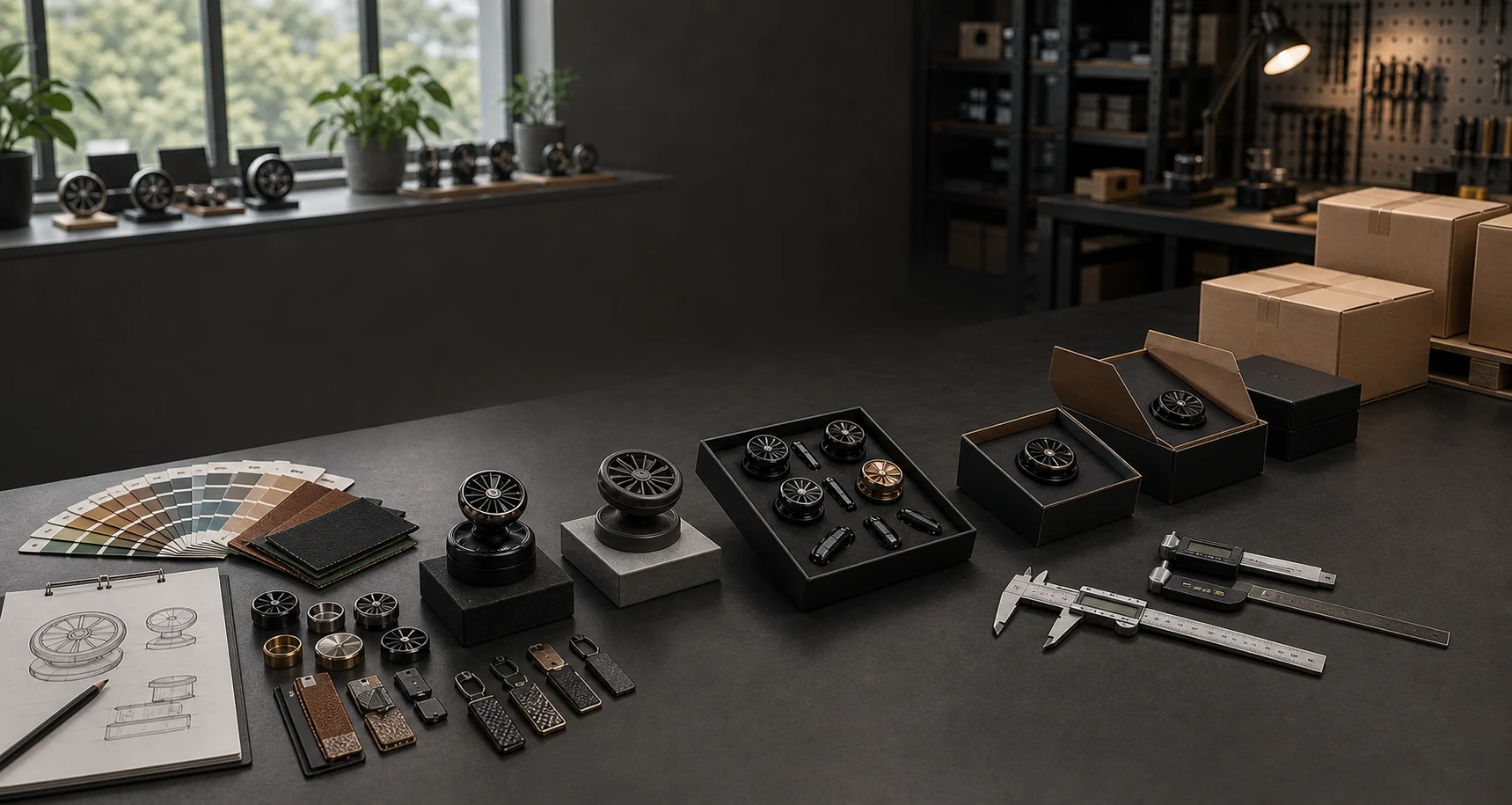
Decision Criteria That Change the Result
Assign a Target and Surface Priority
State the brand reference and whether the product body, logo, package, insert, or another surface is the primary visual anchor. List materials and finishes separately. If a bright paper colour cannot be reproduced on a dark anodized component, decide whether contrast, harmony, or another approved treatment is more important. Do not force every surface toward one unrealistic result.
Evidence to retain: Brand reference, surface list, priority hierarchy, intended light, finish, and approved tradeoff.
Approve Physical Samples Under Agreed Conditions
Use production-representative material, pigment or ink, coating, process, thickness, texture, and gloss. Label samples with supplier, date, formula or batch reference where available, and revision. Review under agreed light and include normal use conditions. Digital screens and photographs can support communication but should not replace the physical decision for colour-critical work.
Evidence to retain: Coded physical samples, process and material record, review lighting, photographs, decision notes, and retained approved standard.
Define a Practical Repeat-Order Boundary
Agree how production will be compared with the approved sample and which colour or appearance differences are unacceptable. A qualified quality team may use appropriate instruments and visual methods for the material, but a single numeric tolerance should not be invented without a method and context. Require notice after pigment, ink, coating, material, supplier, or process changes.
Evidence to retain: Approved master sample, visual boundaries, measurement method where used, defect examples, inspection record, and change triggers.
Use the LANDRE product catalog to compare named SKUs and preserve the product ID in the brief. For product, logo, packaging, and fit questions that cannot be resolved on screen, move the shortlist into the physical sample kit workflow.
Specification and Evidence to Send the Supplier
A supplier cannot quote or reproduce details that remain implicit. Put the following information in one controlled request, give every artwork and specification file a revision, and ask the supplier to identify any unsupported assumption before pricing.
- Brand colour reference, colour space or naming source, primary surface, secondary surfaces, intended use, and light conditions.
- Each substrate, base colour, resin or material, coating, texture, gloss, opacity, thickness, print or finishing process.
- Product body, logo, package, insert, inlay, carton, and other colour decisions kept as separate controlled samples.
- Physical sample codes, supplier, batch or formulation reference where available, date, process, revision, and approval owner.
- Visual acceptance boundaries, comparison method, instrument and condition where appropriate, defect examples, and inspection.
- Retained master, storage, ageing considerations, repeat-order comparison, supplier changes, alternate approval, and archive.
The factory workflow shows where the RFQ, artwork proof, sample, production, inspection, and export evidence belong. Use the factory FAQ to resolve standard process questions, then place product-specific exceptions in the written quote.
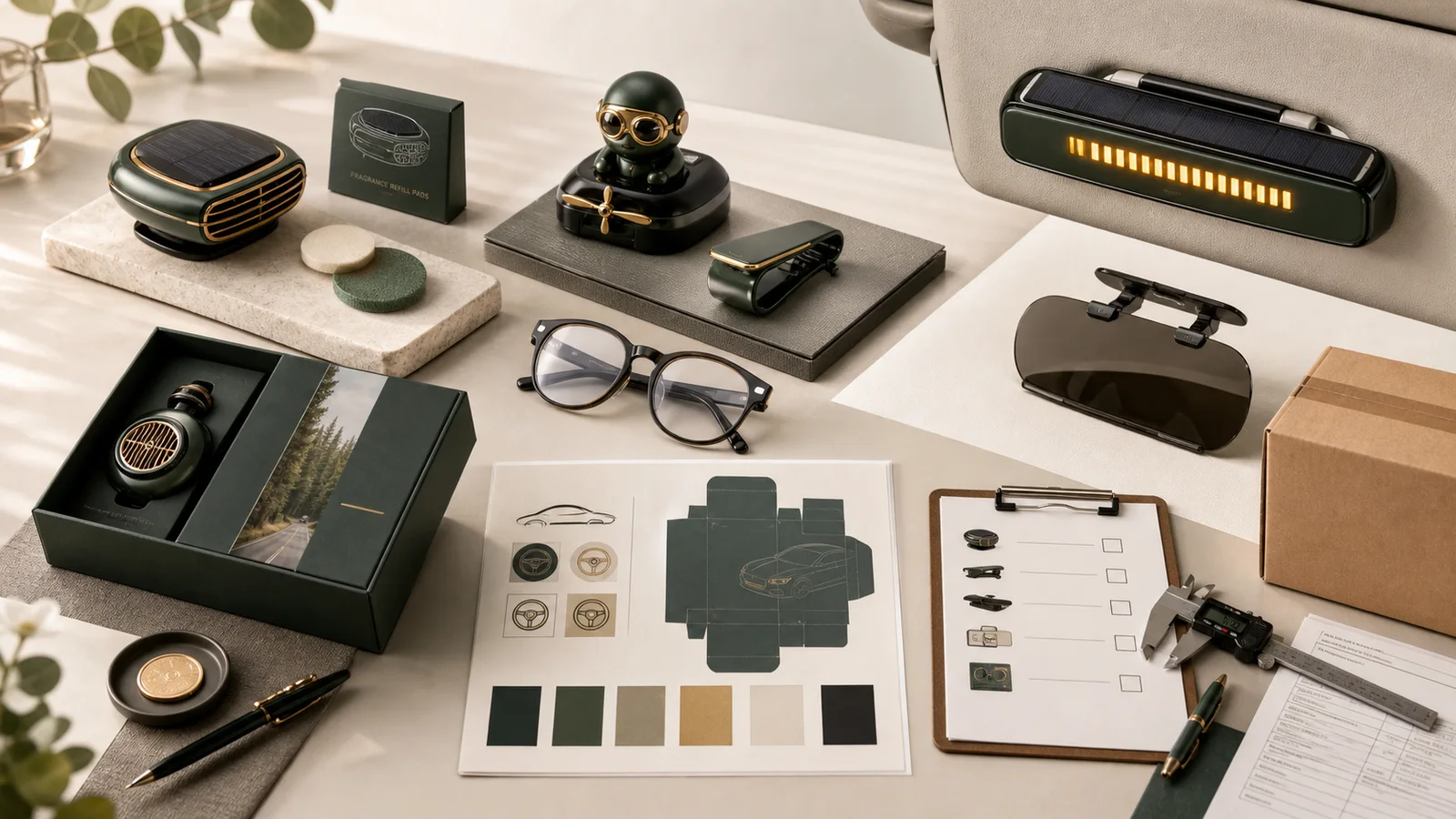
Approval Workflow From Shortlist to Production
1. Map colour-critical surfaces. Prioritize the main brand anchor and define acceptable harmony across product, logo, and package materials.
2. Request coded production samples. Use representative substrates and processes and keep supplier, date, formula or batch, finish, and revision identifiable.
3. Review under controlled and normal light. Compare physical samples consistently, record tradeoffs, and approve each surface rather than one composite photograph.
4. Set repeat-order controls. Retain masters, define comparison and defects, protect storage, and reopen approval after controlled-input changes.
Do not let approval live only in chat messages. Keep the final quote, artwork proof, physical-sample decision, packaging revision, inspection plan, and delivery instruction in the same order record. The detailed MOQ and sample approval guide explains how quantity tiers and approval gates should stay connected.
Risk Controls and Authoritative References
The main risks for this decision are predictable when the team names them before purchase:
- Pantone code treated as a guarantee: Use it as a target reference and approve real output on every substrate, coating, gloss, texture, and process.
- Photograph used as colour proof: Use images for communication only; approve labelled physical samples under agreed viewing conditions.
- One tolerance applied everywhere: Define material- and method-appropriate visual or measured acceptance with qualified quality input.
- Repeat order drifts silently: Retain masters and require notice after material, pigment, ink, coating, process, supplier, or finish changes.
Pantone explains that the same named colour can appear different on coated and uncoated paper, reinforcing the need to approve colour on each real substrate and finish. Review the Pantone coated and uncoated guidance with the responsible specialist before the order is released.
For US-facing environmental marketing, the FTC warns against broad unqualified claims and calls for clear, specific qualifications supported by competent evidence. Review the FTC environmental claims guidance with the responsible specialist before the order is released.
These sources are starting points, not certificates for a LANDRE product and not legal advice. The importer, brand owner, marketplace, carrier, and destination-country adviser should confirm which duties apply to the exact product, formulation, claims, packaging, and route.

Budget, MOQ, and Timeline Controls
Price colour development, custom material or pigment minimums, coating, sample rounds, small-batch premiums, print setup, finish, package proofs, measurement where required, and retained samples. A custom body colour may have a higher component minimum than the final assembled order. Limit sample rounds with a clear target and decision owner. For small quantities, compare a standard product colour plus an approved logo and package palette against full custom colour before creating avoidable inventory.
Compare quotations on the same configuration. Separate unit price from artwork, tooling, samples, packaging, inspection, freight, duty, tax, distribution, and replenishment. Reserve time for buyer feedback and sample revision; a production lead time quoted before the artwork and sample are approved is not the same as a committed delivery date.
RFQ Checklist and Practical Next Step
Before sending the request, confirm:
- Brand reference, primary and secondary surfaces, intended light, use, and visual priority.
- Substrate, base colour, coating, texture, gloss, opacity, thickness, process, and supplier.
- Separate product, logo, package, insert, inlay, and carton physical samples.
- Coded samples, formula or batch where available, date, revision, review light, and decision owner.
- Visual or measured method, qualified tolerance, defect examples, and inspection evidence.
- Retained master, storage, repeat comparison, supplier change notice, alternate, and archive.
- Development, custom-colour minimums, samples, setup, finish, package proofs, and repeat-order cost.
Use the logo method comparison for automotive gifts for the adjacent decision, then send LANDRE a structured inquiry with the product IDs, quantity, market, artwork, package, deadline, and unresolved questions. A precise brief produces a more comparable quote and a safer approval path than asking only for the cheapest unit price.